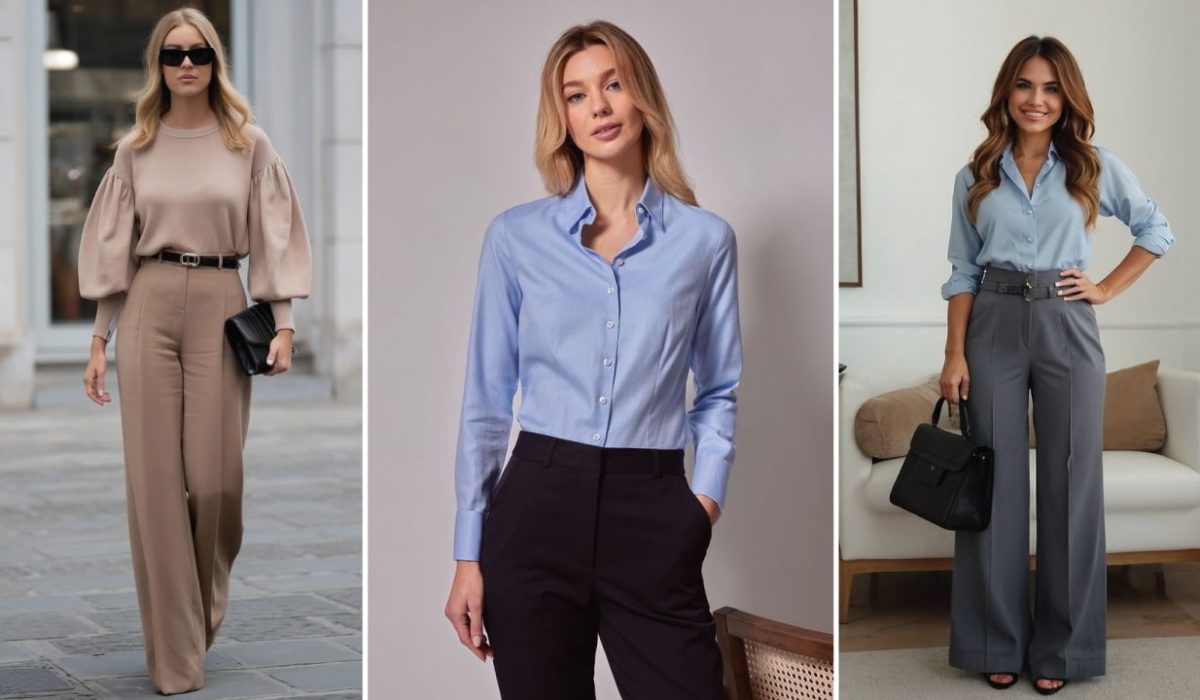
A job interview is your chance to show an employer what you can bring to the role, but your first impression starts before you say a word. What you wear can help you look prepared, confident, and professional.
That does not mean you need to spend a lot of money on a brand-new wardrobe. The best interview outfits are usually simple, clean, comfortable, and appropriate for the company and position.
Whether you are interviewing for your first job, changing careers, or applying for a corporate position, choosing the right outfit can help you feel more confident when you walk through the door.
Start by Understanding the Company
Before deciding what to wear to a job interview, find out what the workplace is like.
A corporate law firm, financial institution, or traditional office may expect formal business attire. A creative agency or technology company might have a more relaxed dress code.
Look at the company’s website and social media pages to get a sense of its culture. If you know someone who works there, you can also ask what employees normally wear.
When you are unsure, it is generally safer to dress slightly more professionally than too casually. You can always remove a blazer or make small adjustments if the environment turns out to be more relaxed.
Best Job Interview Outfits for Women
Women have plenty of options when it comes to professional interview clothing.
Blazer and Tailored Trousers
A blazer with tailored trousers is one of the safest choices for a formal interview.
Choose neutral colors such as navy, black, charcoal, beige, or gray. Under the blazer, wear a simple blouse, shirt, or polished top.
Complete the outfit with closed-toe flats, loafers, or low heels.
The advantage of this combination is versatility. You can wear the blazer and trousers separately for work after you get the job.
A Simple Professional Dress
A knee-length or midi dress can also make an excellent interview outfit.
Choose a style with a modest neckline and comfortable fit. Avoid anything extremely tight, short, or heavily decorated.
A simple dress in navy, black, gray, burgundy, or another understated color can look polished without requiring much styling.
If the workplace is formal, add a blazer or structured jacket.
Blouse and Skirt
A tailored skirt paired with a blouse is another classic option.
A pencil, A-line, or straight skirt can work as long as the length and fit feel professional and comfortable.
If you are not sure how formal the company is, choose conservative colors and simple accessories.
Best Job Interview Outfits for Men
Men can also keep interview clothing straightforward.
Suit and Dress Shirt
For a corporate or highly formal interview, a well-fitting suit is usually the safest choice.
Navy, charcoal, and dark gray are versatile colors. Pair the suit with a clean, pressed dress shirt and professional shoes.
A simple tie can complete the outfit when the workplace calls for formal business attire.
Make sure the suit fits properly. An inexpensive suit that has been adjusted to fit well can look much better than an expensive suit that is too large or too tight.
Dress Trousers and Button-Down Shirt
For a business casual workplace, you may not need a full suit.
Tailored trousers or chinos with a button-down shirt can create a polished look. Depending on the company, you can add a blazer.
Neutral trousers with a light-colored shirt are an easy combination when you are unsure what to wear.
Blazer and Chinos
For a less formal company, a blazer with chinos can be a good middle ground.
It looks more professional than jeans but is less formal than a traditional suit. Choose clean, understated shoes to complete the outfit.
Choose Neutral and Professional Colors
Color can influence how polished your interview outfit looks.
Navy, charcoal, gray, black, white, cream, and beige are all safe choices. They are easy to combine and unlikely to distract from the conversation.
You can add a little personality with a subtle pattern or muted color, but avoid extremely bright shades if you are interviewing in a conservative environment.
Your clothing should support your professional image rather than become the main focus.
Make Sure Everything Fits
Fit is one of the most important parts of any job interview outfit.
Clothes that are too tight can look uncomfortable and make it difficult to move. Clothing that is too loose may look untidy.
Try your entire outfit together before interview day. Sit down, stand up, walk around, and check that everything stays in place.
For men, pay particular attention to the fit of the shoulders, sleeves, trousers, and jacket. For women, check the length and fit of skirts, dresses, trousers, and blazers.
Simple alterations can make a major difference.
Pay Attention to Shoes
Your shoes should be clean, comfortable, and appropriate for the workplace.
Women can consider closed-toe flats, loafers, pumps, or low heels. Men can choose leather dress shoes, loafers, or other simple professional styles.
Avoid shoes that are extremely worn, dirty, or uncomfortable.
If you have a long commute, consider wearing comfortable shoes while traveling and changing into your interview shoes when you arrive.
Keep Accessories Simple
Accessories should complement your interview outfit rather than distract from it.
A simple watch, small earrings, delicate necklace, or professional handbag can finish the look.
Men can keep things simple with a watch, belt, and understated tie when appropriate.
Avoid wearing too many large or noisy accessories. You want the interviewer to focus on your skills and answers rather than your jewelry.
Grooming Matters Too
Your clothes are only one part of your appearance.
Make sure your clothing is clean and wrinkle-free. Check your shoes, hair, nails, and overall appearance before leaving.
If you wear perfume or cologne, keep it light. Some people are sensitive to strong fragrances, and an interview is not the best place to test a powerful new scent.
The goal is not to look perfect. You simply want to appear clean, prepared, and professional.
What Not to Wear to a Job Interview
Knowing what to avoid can make choosing an outfit much easier.
Unless the company specifically has a very casual culture, avoid ripped jeans, sweatpants, graphic T-shirts, athletic clothing, flip-flops, and heavily distressed pieces.
Very revealing clothing or outfits covered in large logos can also be distracting.
You should also avoid wearing something uncomfortable simply because you think it looks professional. If you spend the entire interview adjusting your clothing, it can affect your confidence.
Should You Buy a New Interview Outfit?
You do not necessarily need to buy something new.
If you already have clean, professional clothing that fits well, use it. Familiar clothes can actually help you feel more comfortable.
If you need to purchase an interview outfit, invest in versatile pieces rather than something you will only wear once.
A navy blazer, tailored trousers, simple blouse, button-down shirt, or professional shoes can all become useful parts of your regular work wardrobe.
Try everything before interview day. Make sure the clothes fit, the shoes are comfortable, and you know how the outfit looks when you move.
Dress for the Job You Want
One useful rule is to consider the position you are applying for.
A senior corporate role may call for more formal clothing than a creative internship. A customer-facing position may require a different level of polish than a role where you will work primarily from home.
You do not need to completely change your personality. Your outfit should simply show that you understand the professional environment you are hoping to join.
What to Wear for a Virtual Interview
Online interviews still require some thought about clothing.
You may only be visible from the waist up, but it is still a good idea to dress professionally from head to toe. Wearing proper interview clothing can also help you get into the right mindset.
Choose colors that work well on camera and avoid overly busy patterns that can become distracting.
Before the interview, check your lighting, camera angle, background, and internet connection. Your clothing should be one less thing to worry about when the interview starts.
Final Thoughts
Choosing the best job interview outfit does not have to be stressful or expensive. The key is to understand the company, dress appropriately for the role, and choose clothing that fits well and makes you feel confident.
For formal interviews, a suit, blazer, tailored trousers, professional dress, or skirt can be a safe choice. For business casual workplaces, chinos, button-down shirts, blouses, simple dresses, and smart trousers may be enough.
Keep your colors and accessories fairly simple, make sure your shoes are clean, and give yourself enough time to prepare your outfit before interview day.
Most importantly, remember that your clothing is there to support you—not replace your skills. A polished outfit can help you make a strong first impression, but your preparation, experience, communication, and confidence are what ultimately make the difference.


