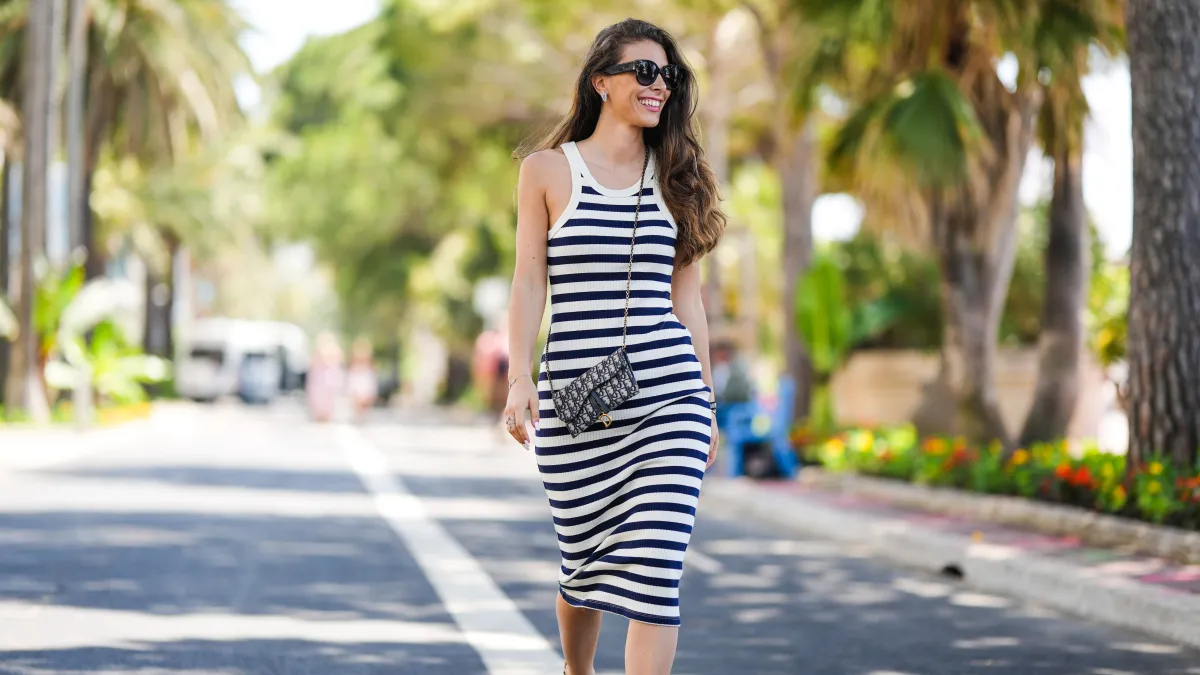
Finding a dress that fits both your waist and hips can be frustrating when you have a pear-shaped figure. You might find a dress that sits beautifully around your shoulders but feels too snug through the hips. Or you may choose a larger size for extra room below and end up with a neckline or waist that feels too loose.
The good news is that there are plenty of dress styles that can make shopping easier.
The best dresses for pear shape aren’t about covering up your hips or making your body look different. Instead, they’re about finding cuts that fit comfortably, work with your natural proportions, and help you feel confident.
From simple A-line dresses to statement-sleeve styles, here’s what to look for when choosing your next dress.
First, Understand Your Shape
A pear-shaped figure generally has a narrower bust and shoulder area compared with the hips and thighs. The waist may be noticeably defined, while the lower half of the body carries more volume.
Of course, not every pear-shaped woman has exactly the same proportions. Some have a fuller bust, while others have a straighter waist or broader shoulders.
That’s why body-shape advice should be treated as a guide rather than a set of rules. Your actual measurements and how a dress feels on your body are much more important.
A-Line Dresses Are an Easy Starting Point
If you aren’t sure which style to try first, start with an A-line dress.
This silhouette usually follows the body through the upper portion before gently widening toward the hem. The result is a comfortable skirt that doesn’t cling tightly around the hips and thighs.
A-line dresses are also incredibly versatile. A casual cotton version can work for everyday wear, while a dress in satin, crepe, or another polished fabric can be suitable for parties and special occasions.
Look for a waist that feels secure but doesn’t dig into your body.
Try Fit-and-Flare Dresses
Fit-and-flare dresses are another popular choice because they give you definition without making the skirt restrictive.
The bodice is generally closer to the body, while the skirt opens out from the waist. This gives the lower half room to move while keeping some shape through the outfit.
You can choose a short version for a playful look or a midi style for something more sophisticated.
If you prefer a relaxed fit, choose a softer fabric rather than a very structured skirt.
Don’t Overlook Wrap Dresses
Wrap dresses are useful when you want an adjustable fit.
The front of the dress crosses over the body and usually ties at the side or waist. Because you can adjust the tie, you have more control over how fitted the dress feels.
The diagonal shape of the wrap can also add visual interest to the upper body.
A wrap dress with a flowing skirt can be particularly comfortable for pear-shaped proportions. Just make sure the skirt provides enough coverage when you walk or sit.
Empire Waist Can Offer More Room
An empire-waist dress places the seam higher than the natural waist, usually just beneath the bust.
From there, the fabric falls downward instead of becoming fitted around the waist and hips. This makes the style a practical choice if you prefer plenty of room through the lower body.
Empire-waist dresses can look casual, romantic, or elegant depending on the fabric and neckline.
When trying one, check the area beneath the bust carefully. It should sit securely without feeling restrictive.
Add Interest Around the Shoulders
If you like creating more visual balance between your upper and lower body, shoulder details can be useful.
Try dresses with:
- Puff sleeves
- Flutter sleeves
- Slightly structured shoulders
- Off-the-shoulder necklines
- Interesting collars
- Shoulder pleats or gathers
These details naturally add attention to the upper part of the outfit.
You don’t need an exaggerated design. A small sleeve detail can be enough to make a simple dress look more interesting.
Choose Necklines You Enjoy
The neckline can also influence the overall balance of a dress.
A boat neckline can visually emphasize the shoulder area, while a square neckline creates a structured, clean appearance. V-necks can add length and draw attention toward the center of the upper body.
Scoop and sweetheart necklines are other options if you prefer something softer.
There isn’t one neckline that every pear-shaped woman should wear. Your comfort and personal style should come first.
Midi Dresses Are Worth Trying
Midi dresses offer a useful balance between coverage and movement.
They typically finish somewhere below the knee and above the ankle. A midi A-line or fit-and-flare dress can provide enough room around the hips without looking overly loose.
Midi dresses are also easy to style across seasons. Wear one with sandals in warmer weather or add boots, tights, and a jacket when temperatures drop.
Before buying, check the exact length. A midi hem can fall in a very different place depending on your height.
Maxi Dresses Can Be Surprisingly Versatile
A maxi dress can be a great option when you want something long and comfortable.
Look for a style that provides some structure through the upper body while allowing the skirt to flow over the hips. A defined waist, higher waist seam, or gentle A-line shape can prevent the dress from looking like one large block of fabric.
A simple maxi works beautifully for holidays, summer evenings, casual events, and even dressed-up occasions.
The right footwear can completely change the look.
Pay Attention to Fabric
The cut of a dress matters, but the fabric can make an equally big difference.
Very thin materials may cling to the hips and thighs, especially if the dress is fitted. On the other hand, very stiff fabrics can sometimes create unnecessary bulk.
A fabric with some weight and natural movement often works well. Cotton blends, crepe, linen blends, and certain jersey fabrics can all be comfortable choices.
If you’re shopping online, read the fabric description carefully. Reviews are also helpful for finding out whether a dress is stretchy, lightweight, lined, or more structured than expected.
Get the Fit Right Around Your Hips
If you have a pear-shaped figure, don’t ignore your hip measurement when choosing a dress size.
Measure around the fullest part of your hips and compare that number with the brand’s size chart.
If a dress fits your bust but pulls around your hips, sizing down isn’t the answer. You may need a different silhouette with a fuller skirt.
Likewise, if you size up for your hips and the top becomes too loose, look for a dress with adjustable features or consider alterations.
Choose Colors Based on Your Style
You may have heard that pear-shaped women should always wear darker colors on the bottom and brighter colors on top.
That’s an option—not a requirement.
A colorful dress can look fantastic on any body shape. So can a dark monochrome outfit or an all-over print.
If you want to create contrast, a lighter or more detailed top with a darker skirt is an easy approach. But if you prefer one bold color from head to toe, go for it.
The best color is often the one you’ll actually enjoy wearing.
Think About Dress Length and Shoes Together
Don’t choose the length of a dress without thinking about footwear.
A maxi dress may need a slightly longer hem if you’re wearing heels, while the same dress may need to be shorter for flats.
Midi dresses can work with sneakers, sandals, boots, and heels, but each shoe changes the overall proportion.
When possible, try dresses with the shoes you’ll wear most often.
Shopping Online? Check These Details
Online shopping becomes much easier when you know what information to look for.
Before ordering, check:
- Bust, waist, and hip measurements
- Garment length
- Fabric composition
- Amount of stretch
- Model’s height and size
- Customer reviews
- Return and exchange policy
Don’t rely solely on the size printed on the product page. A medium in one brand may fit very differently from a medium somewhere else.
Customer reviews can also reveal whether the dress runs small, has a generous skirt, or fits differently around the bust and hips.
Mistakes Worth Avoiding
One common mistake is choosing a dress that’s too loose everywhere just because you need additional room around the hips.
Another is buying something extremely fitted and hoping the fabric will become more comfortable later.
Your dress should allow you to sit, walk, bend, and move without constantly adjusting it.
It’s also unnecessary to avoid styles just because they’re not traditionally recommended for pear-shaped figures. Body-shape guides can’t account for every individual preference.
If you love a particular dress and it fits well, that’s a good enough reason to wear it.
Build a Wardrobe That Works for You
Instead of buying dresses based on trends alone, think about what you actually need.
A simple A-line dress can become an everyday staple. A wrap dress may work for dinners and events. A midi fit-and-flare can transition easily from daytime to evening, while a maxi dress can be perfect for vacations and warm-weather occasions.
Choose pieces that work with the shoes, jackets, and accessories you already own.
A smaller wardrobe of dresses you genuinely enjoy wearing is much more useful than a closet full of styles that don’t feel comfortable.
Final Thoughts
The best dresses for pear shape are the ones that fit your proportions without making you feel restricted by them.
A-line, fit-and-flare, wrap, empire-waist, midi, and maxi dresses are all excellent styles to explore. Details such as statement sleeves, interesting necklines, and comfortable fabrics can also help you create the look you want.
But don’t feel that you have to dress according to a body-shape checklist.
Start with fit, think about comfort, and then choose the colors, patterns, and silhouettes that reflect your personality. When a dress fits well and feels like something you’d happily wear again, you’ve probably found the right one.
Leave a Reply