Travelling with kids can be one of the most rewarding experiences a family can share. Seeing a new place through your child’s eyes, trying different foods, exploring new attractions and creating memories together can make a family trip truly special. At the same time, travelling with children requires a little more preparation than travelling alone.
The good news is that family travel does not have to be stressful. With realistic expectations, thoughtful planning and a flexible attitude, parents can make journeys easier and more enjoyable. Whether you are planning a road trip, flying to another country or taking a short family break, these practical tips can help you travel with kids more confidently.
Plan Ahead, But Leave Room for Flexibility
Good preparation is one of the most important parts of travelling with children. Before leaving, think about your destination, transportation, accommodation, meals and activities.
Make a simple family travel checklist so you do not forget important items. Check travel documents, tickets, accommodation details and any requirements that apply to your destination.
However, avoid creating an itinerary that is too full. Children can become tired after several activities in one day, even when everything sounds exciting. Leave some free time for rest, snacks, play and unexpected discoveries.
A flexible schedule also helps when plans change. Delays, weather and tired children are all normal parts of family travel.
Choose Family-Friendly Accommodation
Where you stay can make a significant difference to your trip. When booking accommodation, consider what your family actually needs rather than choosing somewhere based only on photographs or price.
Families with younger children may appreciate a separate sleeping area, kitchen facilities, laundry access or a swimming pool. Location is also important. Staying reasonably close to attractions, restaurants and public transport can reduce the amount of time spent travelling each day.
Before booking, check the accommodation’s policies and facilities carefully. If you need a cot, high chair or additional bed, confirm availability in advance.
Pack Smart Instead of Packing Everything
Packing for children can quickly become overwhelming. It is tempting to bring everything they might possibly need, but too much luggage can make travelling more difficult.
Start with essential clothing, toiletries, medicines, travel documents and any items your children cannot comfortably manage without.
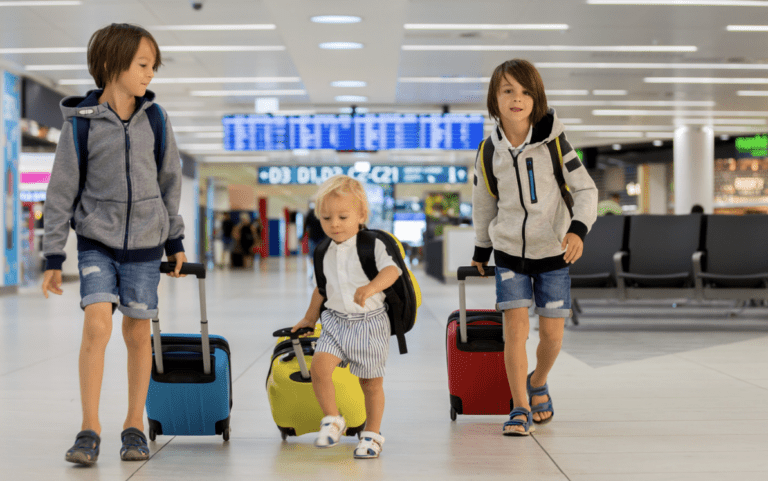
For the journey itself, prepare a small hand luggage or travel bag for each child. Depending on their age, this could include snacks, a water bottle, headphones, books, colouring materials, a small toy and a change of clothes.
Keeping important items easy to reach is particularly useful during long flights and road trips. A spare outfit can be a lifesaver when a drink spills or a meal becomes unexpectedly messy.
Bring Plenty of Snacks
Hunger can turn an otherwise peaceful journey into a difficult one, so snacks are an important part of family travel planning.
Choose foods that are easy to carry and relatively mess-free. Crackers, fruit, sandwiches, cereal bars and other familiar snacks can be useful during journeys.
It is also a good idea to carry water and check the rules about bringing food and drinks if you are flying.
Try not to rely entirely on finding food at the airport, motorway stop or tourist attraction. Having something familiar available can be reassuring for children, particularly when they are tired or not interested in unfamiliar meals.
Prepare Kids for the Journey
Children often cope better with travel when they know what to expect.
Before your trip, explain where you are going and how you will get there. For younger children, you might describe the journey in simple terms: first you will drive to the airport, then board the plane, and finally arrive at your holiday destination.
Older children may enjoy looking at maps or helping plan activities. Giving them some responsibility can make them feel involved in the adventure.
If it is their first flight or long train journey, explain basic things they might experience, such as security checks, waiting at the gate or wearing a seatbelt.
Keep Kids Entertained During Travel
Long journeys can be boring for children, especially when they are expected to sit still for several hours.
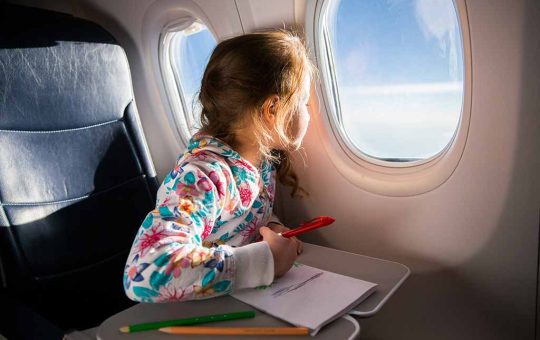
Prepare a mixture of entertainment rather than relying on one activity. Books, drawing, puzzles, travel games, music and downloaded shows can all be useful.
Classic games such as I Spy, travel bingo, 20 Questions and storytelling require little or no equipment. They are also a great way for parents and children to interact during the journey.
For longer trips, consider introducing activities gradually instead of giving children everything at once. Having something new to discover later can help maintain their interest.
Don’t Try to See Everything
One of the most common mistakes families make when travelling is trying to fit too much into one day.
It is understandable to want to see all the famous attractions, particularly when visiting somewhere for the first time. However, children may not have the energy or patience for a packed sightseeing schedule.
Choose a few experiences that your family is genuinely excited about and allow time between them. A relaxed lunch, visit to a park or afternoon at the hotel can provide a welcome break.
Sometimes children remember the ice cream after a museum visit or the game they played in the park more than the attraction itself.
Keep Familiar Routines Where Possible
Travelling naturally changes a child’s routine, but keeping a few familiar habits can make the transition easier.
Try to maintain regular meal and sleep times where practical. Bring a favourite bedtime book, soft toy or comfort item if your child uses one.
You do not need to follow the home routine perfectly. Holidays are different, and some flexibility is inevitable. The goal is simply to provide familiar elements that help children feel comfortable in an unfamiliar environment.
Expect the Unexpected
Even carefully planned family holidays can have challenging moments.
A child may have a tantrum in the airport, refuse a new food, become tired during sightseeing or struggle to sleep in a different room. These things do not mean the trip has gone wrong.
Parents can make travel easier by accepting that not everything will go according to plan. Take breaks when necessary, adjust your itinerary and give everyone time to reset.
The most important thing is not to expect perfection.
Give Children a Role in the Adventure
Family travel becomes more exciting when children feel like participants rather than passengers.
Depending on their age, let them choose between activities, help pack their travel bag, take photographs or keep a holiday journal. Older children might enjoy researching an attraction or learning a few words in the local language.
These small responsibilities can build confidence and make children more interested in their surroundings.
Enjoy the Journey Together
Learning how to travel with kids is largely about preparation, patience and flexibility. The more you travel as a family, the more you will discover what works for your children.
Pack thoughtfully, plan activities that suit their ages, allow plenty of time for rest and remember that unexpected moments are part of the adventure.
Family travel does not need to be perfect to be memorable. A delayed journey, a funny restaurant experience or an unplanned stop can eventually become one of the stories your family tells for years.
So prepare as much as you can, keep your expectations realistic and give yourself permission to enjoy the experience. The goal is not simply to reach your destination—it is to make the journey part of the family adventure.