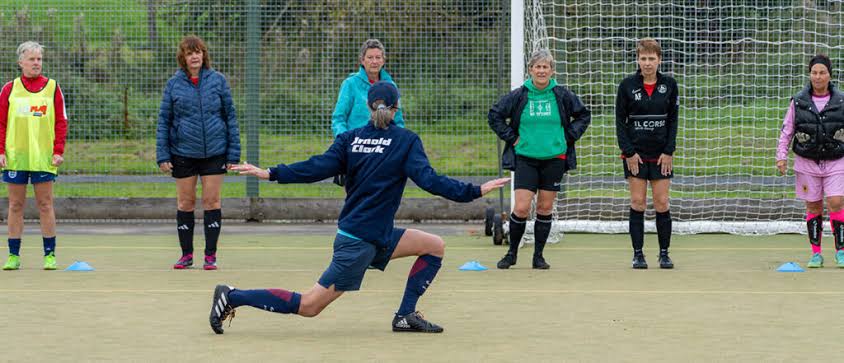
Soccer looks simple from the sidelines, but playing a full match can be physically demanding. You might spend one moment jogging into space, the next sprinting after an opponent, and then quickly changing direction to support a teammate. All of that movement requires more than basic stamina.
That is why soccer fitness is such an important part of becoming a better player. Good fitness helps you stay active throughout the match, recover between sprints, maintain your technique when tired, and make better decisions late in the game.
If you’re new to soccer fitness, don’t worry. You don’t need to start with intense workouts or complicated gym programs. A few simple exercises, combined with regular soccer practice, can help you build a strong foundation.
This beginner-friendly guide explains the key areas of soccer fitness and how you can work on them step by step.
What Is Soccer Fitness?
Soccer fitness is your ability to handle the physical demands of a match.
Unlike activities that involve one steady pace, soccer constantly changes intensity. You may walk, jog, sprint, stop, turn, jump, and repeat these movements many times.
A well-rounded soccer fitness program should develop several areas, including:
- Endurance
- Speed
- Agility
- Strength
- Balance
- Core stability
- Recovery
You don’t have to improve everything in one workout. The best approach is to build these qualities gradually.
1. Build a Strong Endurance Base
Endurance helps you stay involved when the game gets long and tiring.
If you’re struggling to breathe after a few minutes, it becomes difficult to concentrate on passing, defending, or making runs. Building your cardiovascular fitness can help you stay more comfortable during extended periods of play.
If you’re a beginner, start with simple activities such as jogging, brisk walking, cycling, or swimming.
You can also improve endurance through soccer itself. Small-sided games are particularly useful because they keep you moving while allowing you to work on your technical skills.
Start at a comfortable level and increase the duration gradually.
2. Add Short Sprint Training
Soccer players don’t usually run at one speed for an entire game. Short bursts of acceleration are a major part of the sport.
You may need to sprint toward a loose ball, chase an opponent, make a run behind the defense, or quickly recover after losing possession.
Once you’ve developed a basic fitness level, introduce short sprint exercises.
Try distances such as 10 or 20 meters. Sprint hard, allow yourself enough recovery, and then repeat.
You can also practice sprinting from different starting positions to make the exercises more realistic.
The goal isn’t to exhaust yourself with dozens of sprints. Focus on good running form and quality effort.
3. Improve Your Agility
Being able to change direction quickly is extremely useful in soccer.
An attacker may suddenly cut inside, or a defender may need to turn and follow a runner. Good agility allows you to respond without losing balance.
Set up a few cones and practice moving in different directions.
Try:
- Side shuffles
- Zigzag runs
- Forward and backward movements
- Quick turns
- Short acceleration drills
- Reaction exercises
Stay light on your feet and keep your movements controlled.
As you become more comfortable, increase the speed or make the changes of direction more unpredictable.
4. Strengthen Your Lower Body
Soccer requires strong legs for running, jumping, kicking, stopping, and changing direction.
You don’t need a gym full of equipment to begin. Bodyweight exercises are a great starting point.
Include exercises such as:
- Squats
- Lunges
- Split squats
- Step-ups
- Glute bridges
- Calf raises
Start with a manageable number of repetitions and concentrate on technique.
As the exercises become easier, you can gradually increase the repetitions or resistance.
5. Don’t Ignore Your Core
Your core helps keep your body stable while you move.
A strong, controlled core can support movements such as turning, sprinting, shielding the ball, and challenging for possession.
You can train your core with simple exercises including planks, side planks, bird dogs, and dead bugs.
You don’t need a long core workout. Even 10 minutes of focused training can fit easily into a regular fitness routine.
Quality matters more than rushing through dozens of repetitions.
6. Train for Repeated Efforts
Being able to sprint once is useful. Being able to sprint several times during a match is even more important.
Soccer requires players to recover and then perform another high-intensity action.
After building your basic fitness, try short work-and-recovery intervals.
For example, perform a short sprint, walk or jog until you’ve recovered, and then repeat.
Begin with a small number of repetitions. As your fitness improves, gradually increase the workload.
Avoid turning every workout into an exhausting test. Your body needs time to recover and adapt.
7. Combine Fitness With Ball Work
One of the easiest ways to make soccer fitness training more enjoyable is to include the ball.
Instead of spending every session running without a ball, combine movement with technical practice.
You could dribble through cones at different speeds, pass while moving, or play small-sided games.
This approach helps you work on fitness while also improving your touch, passing, and decision-making.
It can also make your training feel more like soccer rather than a traditional fitness workout.
8. Work on Your Movement Without the Ball
Fitness isn’t only about running with possession.
Players need to move into space, track opponents, support teammates, and make recovery runs.
During training, practice changing speed and direction without the ball.
For example, jog slowly, accelerate for a few seconds, slow down, and then change direction.
These changes in pace are much closer to what happens during an actual match.
Learning to move efficiently can help you save energy for moments when you really need it.
9. Warm Up Properly
A good warm-up prepares your body for the work ahead.
Don’t go straight from standing still into maximum-speed sprinting. Start with easy movement and gradually increase the intensity.
A simple soccer warm-up might include:
- Light jogging
- Dynamic leg movements
- Side shuffles
- Gentle changes of direction
- Ball touches
- Short progressive runs
The warm-up should leave you feeling ready to play, not exhausted.
If you are preparing for intense training or competition, give yourself enough time to gradually raise your body temperature and movement intensity.
10. Make Recovery Part of Training
Recovery is often overlooked by beginners.
It’s tempting to believe that training harder every day will produce faster results, but your body needs time to adapt.
Make sure your weekly routine includes easier days and rest when needed.
Good recovery habits include getting enough sleep, staying hydrated, eating balanced meals, and avoiding sudden increases in training volume.
If you regularly feel unusually tired or your performance keeps getting worse, take a closer look at your training and recovery schedule.
11. Create a Simple Weekly Routine
You don’t need to train every physical quality every day.
A beginner-friendly week might look like this:
- Monday: Light soccer practice
- Tuesday: Strength and core
- Wednesday: Rest or easy movement
- Thursday: Sprint and agility training
- Friday: Soccer skills
- Saturday: Match or longer soccer session
- Sunday: Rest
This is only an example. Your schedule should depend on your experience, fitness level, age, and other activities.
If you’re just getting started, fewer sessions may be more appropriate.
The goal is to create a routine you can actually maintain.
Common Soccer Fitness Mistakes
A few common mistakes can slow your progress.
Avoid trying to do too much too soon. Increasing your training load suddenly can leave you excessively tired and may increase your risk of injury.
Other mistakes include:
- Skipping warm-ups
- Ignoring recovery
- Doing only long-distance running
- Avoiding strength training
- Sprinting when completely fatigued
- Forgetting to hydrate
- Training hard every day
- Comparing yourself with advanced players
Fitness improves through consistency, not through one extremely difficult workout.
How Long Does It Take to Get Fit for Soccer?
Everyone progresses at a different rate.
Your starting fitness level, training schedule, age, playing experience, and recovery habits can all affect how quickly you improve.
With consistent training, you may gradually notice that you can play longer without feeling exhausted. You may also find it easier to recover after sprinting and maintain your technique late in a session.
Don’t worry about improving everything immediately.
Focus on small, measurable changes and give yourself time to develop.
Final Thoughts
Improving your soccer fitness doesn’t require an extreme training plan.
Start with the basics. Build your endurance, add short sprint work, improve your agility, strengthen your legs, and develop your core. Then gradually introduce more soccer-specific movements and repeated high-intensity efforts.
Just as important, remember that rest is part of training. Your body needs time to recover and become stronger.
Keep your workouts realistic, increase the difficulty gradually, and stay consistent. Over time, you’ll feel more comfortable running, sprinting, changing direction, and staying involved throughout a full soccer match.
Good fitness won’t replace soccer skills, but it will give you the physical foundation to use those skills when the game gets tough.
Leave a Reply