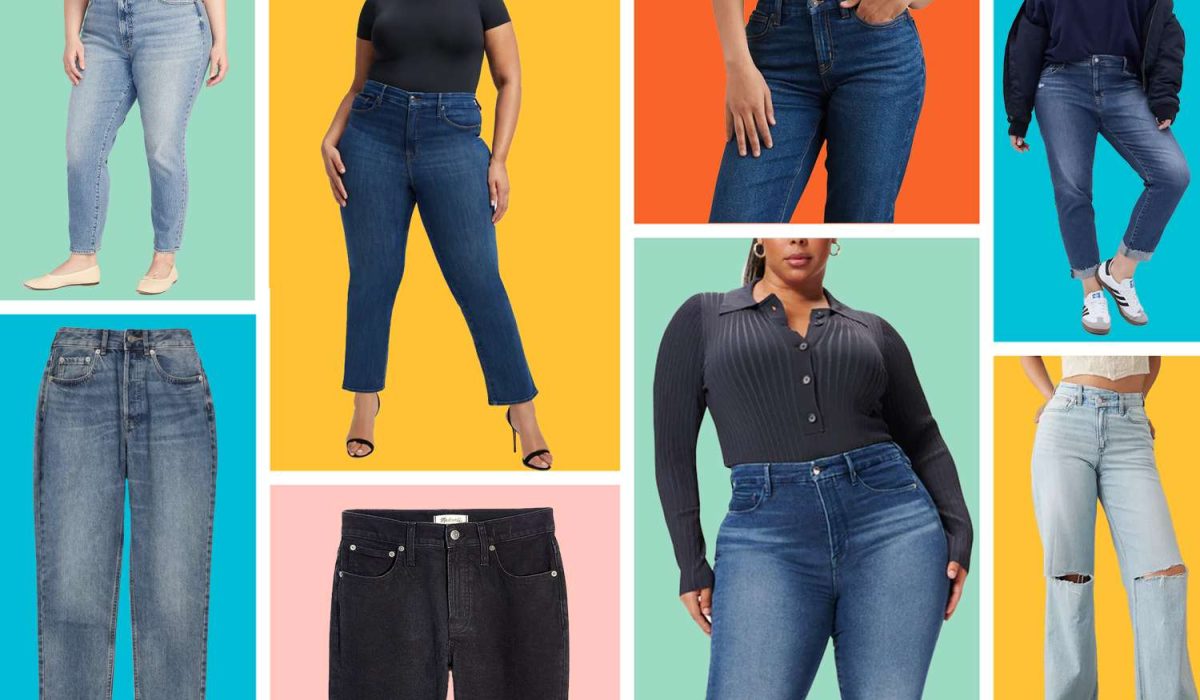
Shopping for jeans can be exciting until you try on a pair that fits your waist but feels too tight around your hips. Or perhaps the thighs fit perfectly, but the waistband leaves an annoying gap at the back. If you’ve dealt with either problem, you’re not alone.
Finding the right denim is less about finding a “perfect” body shape and more about understanding how different cuts are made. Once you know which measurements to check and which details affect the fit, shopping becomes much easier.
If you’re wondering how to choose jeans for curvy women, this step-by-step guide will help you find comfortable, flattering denim without relying on confusing fashion rules.
Step 1: Measure Your Waist and Hips
Before looking at styles, know your measurements.
Measure around the narrowest part of your waist and the fullest part of your hips. Keep both measurements nearby when shopping, especially online.
Your waist and hip measurements are more useful than simply knowing your usual jeans size because sizing can vary from one brand to another.
For curvy women, the difference between these two measurements can also explain why some jeans fit perfectly through the hips but gap at the waist. If that happens regularly, look for denim specifically designed with a more generous hip-to-waist ratio.
Step 2: Look for a Curved Waistband
The waistband is one of the first things to inspect when choosing jeans.
A straight waistband can sometimes pull across the hips or leave extra space at the back. A contoured waistband follows the body’s shape more closely and may help create a more secure fit.
When shopping, descriptions such as “curvy fit,” “contoured waist,” or “no-gap waistband” can be useful clues.
Don’t assume these features will work perfectly for everyone, though. Try the jeans on and move around. A waistband should stay in place without digging into your skin.
Step 3: Decide Where You Want the Waist to Sit
Next, choose your preferred rise.
High-rise jeans sit above the natural waist and can provide more coverage through the stomach and waist area. They’re easy to wear with tucked-in shirts, bodysuits, sweaters, and cropped jackets.
Mid-rise jeans sit lower and may feel more relaxed if you don’t like a high waistband.
Low-rise styles can also work if you enjoy the look and find a pair that fits securely.
There’s no single rise that every curvy woman should wear. Your torso length, comfort level, and personal preference should guide the decision.
Step 4: Choose a Leg Shape
Once the waist and hips fit properly, think about the leg.
Straight-leg jeans
Straight-leg denim is an excellent everyday option. It gives you a relatively clean line without being too tight or overly loose.
Bootcut jeans
Bootcut jeans become slightly wider toward the bottom, which can create a balanced silhouette. They’re particularly easy to wear with boots.
Wide-leg jeans
Wide-leg jeans offer plenty of room through the leg and can create a relaxed, modern outfit. Pair them with a tucked or fitted top if you want more definition around the waist.
Skinny jeans
Skinny jeans haven’t disappeared just because wider styles are popular. If you like a close-fitting look, choose denim with enough stretch to move comfortably.
Flare jeans
Flare jeans open more dramatically below the knee. They’re a fun choice when you want something with a little more personality.
The best shape is ultimately the one you enjoy wearing.
Step 5: Check the Thigh Fit
Curvy women often need to pay particular attention to the thigh area.
When trying jeans on, make sure the fabric isn’t pulling horizontally across your thighs. A few natural folds are normal, but strong tension lines can indicate that the jeans are too small or that the cut isn’t suitable for your proportions.
Walk around and sit down. If the denim feels restrictive every time you bend your knees, consider a roomier cut or a fabric with more flexibility.
Don’t size down simply because you want a tighter waist. The jeans still need enough room for comfortable movement.
Step 6: Choose the Right Fabric
The fabric can completely change how jeans feel.
Stretch denim is often a practical choice for everyday wear because it gives you additional freedom of movement. A small amount of elastane or another stretch fiber can make sitting and walking more comfortable.
Rigid denim has less flexibility and usually creates a more structured appearance. It can be a great choice if you like traditional denim, but you may need some time to break it in.
When shopping online, always check the fabric composition. Two pairs of jeans with the same cut can feel very different depending on the materials used.
Step 7: Check the Back Waistband
Before deciding on a pair, turn around and check the back.
If there’s a large gap between your lower back and the waistband, the jeans may not be proportioned for your body. This is especially common when jeans fit your hips well but are designed around a smaller difference between waist and hip measurements.
A curved waistband or curvy-specific cut may solve the issue.
If the gap is minor, alterations are another option. A tailor can sometimes adjust the waistband without changing the overall shape of the jeans.
Step 8: Get the Inseam Right
Length matters more than many shoppers realize.
The ideal inseam depends on both your height and the style you’re wearing. Cropped jeans should finish differently from bootcut or wide-leg jeans.
Try your jeans on with the shoes you plan to wear. A pair that looks perfect with ankle boots may feel too long with flats.
If you regularly struggle with length, look for brands offering several inseam options. This can be much easier than buying jeans that require significant alterations.
Step 9: Choose the Wash You Love
Denim comes in countless washes, from pale blue to deep indigo and black.
Dark washes can create a more polished appearance and work well for outfits that need to look slightly dressier. Medium-blue jeans are easy to wear every day, while lighter washes tend to feel more casual.
Black denim is another useful option if you want something versatile enough for daytime and evening outfits.
Don’t let outdated rules determine which wash you can wear. Choose colors that suit your wardrobe and make you feel confident.
Step 10: Test the Jeans Before Buying
Standing in front of a fitting-room mirror isn’t enough.
Try these simple movements:
- Sit down and stand back up.
- Walk several steps.
- Bend your knees.
- Turn around and check the waistband.
- Lift one leg slightly.
- Check whether the fabric pulls around your hips and thighs.
If the jeans remain comfortable through all of these movements, you’re much more likely to enjoy wearing them throughout the day.
For online shopping, read customer reviews carefully. Pay particular attention to comments about waistband gaps, stretch, sizing, and whether the jeans loosen after wearing.
How Should Curvy Jeans Fit?
A good pair should feel secure without feeling restrictive.
The waistband should sit comfortably and stay in place. The hips and thighs should have enough room for movement without excessive sagging. The fabric should lie smoothly without constant pulling.
Don’t worry if your jeans aren’t completely wrinkle-free. Denim naturally develops folds when you move.
What matters is whether the jeans feel comfortable and maintain their shape while you’re wearing them.
Common Mistakes to Avoid
One of the biggest mistakes is choosing jeans based only on the waist size.
Your hips and thighs deserve equal attention. Another common mistake is buying denim that’s uncomfortably tight because you expect it to stretch significantly.
Some jeans do relax with wear, but they shouldn’t feel painful or restrictive when you first try them.
It’s also easy to buy a trendy style without thinking about your existing wardrobe. Before purchasing, consider whether you can create several outfits with the new jeans.
Finally, don’t be afraid to try multiple sizes or cuts. Finding the right fit often requires comparison.
Final Thoughts
Learning how to choose jeans for curvy women becomes much simpler when you stop focusing on size alone.
Start with your waist and hip measurements, then consider the waistband, rise, thigh fit, fabric, leg shape, and inseam. Try the jeans while sitting and moving, not just while standing in front of a mirror.
Most importantly, don’t feel pressured to choose jeans because they’re supposed to be “flattering” for curves. Straight-leg, bootcut, wide-leg, skinny, and flare styles can all look fantastic when they fit properly.
The best pair is the one that feels comfortable, stays where it should, works with your wardrobe, and makes you feel like yourself.
Leave a Reply