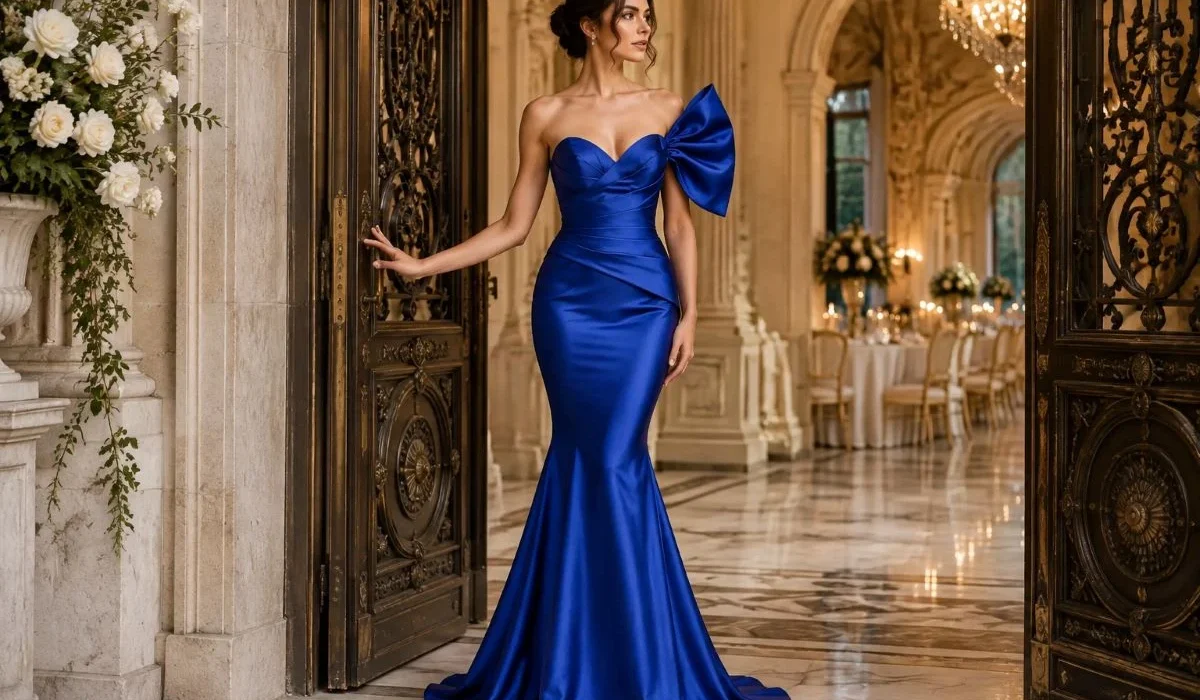
Finding a dress that feels right can be a little challenging when you carry more fullness around your middle. You may love the way a dress looks on the hanger, only to discover that it pulls in the wrong places or doesn’t give you enough room to move comfortably.
The good news is that you don’t need to hide your shape or stick to a narrow list of “approved” styles. The best dresses for apple shape are simply those that give you a comfortable fit while creating the kind of silhouette you enjoy.
Some dresses add gentle definition around the waist. Others fall loosely from the bust and give the midsection more breathing room. The right choice depends on your proportions, lifestyle, and personal taste.
Here are some practical styles worth trying.
Understanding an Apple-Shaped Figure
An apple-shaped figure generally carries more fullness through the bust, stomach, and upper torso, while the waist may be less defined. The hips can be narrower in comparison, and the legs may appear slimmer.
But body shapes aren’t exact categories. You don’t have to match a textbook description to use these styling ideas.
Think of the apple shape as a helpful starting point when shopping. If you like a particular dress, that’s reason enough to wear it.
1. Wrap Dresses
Wrap dresses are a great option if you want a little definition without wearing something extremely fitted.
The adjustable front allows you to control how snug the dress feels. The diagonal fabric across the body can also add visual movement and make a simple dress look more interesting.
A V-shaped neckline is another useful feature because it naturally draws attention toward the upper part of the outfit.
When choosing a wrap dress, avoid fabric that’s so thin or stretchy that it constantly clings to your stomach. A fabric with a little structure and good drape will usually feel more comfortable.
2. A-Line Dresses
An A-line dress gradually becomes wider as it moves toward the hem. This makes it an easy choice if you want more space around your stomach and hips without wearing an oversized dress.
You can find A-line dresses in almost every type of fabric and length. A simple cotton version works for everyday wear, while a dressier material can be suitable for dinners or special occasions.
For a balanced casual outfit, try an A-line dress with clean sneakers or flats. Add a cardigan or cropped jacket when the weather is cooler.
3. Empire-Waist Dresses
If you don’t like anything sitting tightly around your stomach, an empire-waist dress may be worth trying.
Instead of defining the waist at its natural position, this style places the seam higher, usually just below the bust. The remaining fabric then falls more freely over the middle.
This can be particularly comfortable for warm weather because there’s less pressure around the stomach.
Choose an empire waist that fits securely under the bust without feeling restrictive. The fabric should flow naturally rather than balloon outward.
4. Fit-and-Flare Styles
Fit-and-flare dresses provide a combination of structure and movement.
The upper portion is usually more fitted, while the skirt opens out below. This creates a noticeable change in shape without requiring a tight waist.
If you want to highlight your legs, a shorter fit-and-flare can be a fun option. For more coverage, choose a midi version.
The most important thing is where the fitted section ends. Look for a dress that feels comfortable rather than one that presses tightly against the widest part of your stomach.
5. Shift Dresses
Sometimes the easiest solution is the simplest one.
Shift dresses typically fall away from the body instead of following every curve. This makes them useful for workdays, travel, casual lunches, and other situations where comfort matters.
However, avoid choosing a shift dress simply because it’s extremely oversized. Too much fabric can make the outfit look larger rather than creating a clean silhouette.
Look for good shoulder construction and a neckline you like. A slightly structured shift can look polished without feeling restrictive.
6. V-Neck Dresses
The neckline deserves more attention than it often gets.
A V-neck creates an open vertical shape at the top of the outfit and can bring attention toward your face and shoulders. It works particularly well on wrap dresses, maxi dresses, A-line styles, and simple everyday dresses.
You don’t need a very deep neckline. A modest V can create the effect while still providing plenty of coverage.
If V-necks aren’t your style, try a scoop or open square neckline instead.
7. Ruched Dresses
Ruching can be useful when you want texture and flexibility around the middle.
Instead of creating a completely smooth surface, gathered fabric introduces small folds that can make the dress more forgiving. Side ruching is particularly popular because it can add interest without making the entire dress look busy.
Be careful with overly tight ruching, though. Elastic or gathered fabric shouldn’t dig into your skin.
Try sitting and moving around before deciding whether the dress is genuinely comfortable.
8. Maxi Dresses
A flowing maxi dress can be both comfortable and stylish.
The longer length creates a continuous line through the outfit, while a relaxed skirt gives you plenty of movement. For an apple-shaped figure, a maxi with a V-neck, gentle A-line skirt, or higher waist can be particularly easy to wear.
Don’t automatically choose the loosest maxi you can find. A dress with some structure around the shoulders or neckline can prevent the outfit from looking shapeless.
A simple maxi can also be dressed up or down with the right shoes and accessories.
Choosing the Right Fabric
Fabric can make or break a dress.
Thin, clingy materials may emphasize areas you would rather keep less defined. That doesn’t mean you need stiff or heavy clothing.
Instead, look for fabrics that have enough weight to hang naturally. Cotton blends, crepe, linen blends, and medium-weight knits can all work well depending on the season and dress style.
If you’re shopping online, zoom in on the product photographs and check the fabric description. Customer reviews can also reveal whether the material is thin, stretchy, structured, or see-through.
Find a Comfortable Dress Length
There isn’t one dress length that’s universally best for an apple shape.
Mini dresses can highlight your legs if that’s an area you enjoy showing. Knee-length styles are versatile, while midi dresses can create a sophisticated everyday look.
Maxi dresses offer more coverage and can be especially useful for casual summer outfits or occasions where you want something flowing.
Try different lengths rather than deciding that one hemline is automatically right or wrong for your body.
Look for Details That Add Balance
Small design elements can change the appearance of an otherwise basic dress.
You might prefer:
- A V-neck or open neckline
- Vertical seams or subtle patterns
- A higher waist seam
- A gently flared skirt
- Three-quarter or relaxed sleeves
- Side ruching
- Adjustable ties
- A structured shoulder line
You don’t need to combine all of these features. One or two can be enough to give your outfit the shape you want.
Should You Wear a Belt?
A belt can add definition, but it doesn’t have to be tight.
If a traditional belt around the natural waist feels uncomfortable, try a narrower belt or choose a dress that has a built-in tie.
Another option is to place the belt slightly higher, depending on the dress. This can create definition without putting pressure directly across the stomach.
The purpose of a belt should be to add interest—not make you uncomfortable.
How to Shop for Dresses Online
Shopping online becomes easier when you stop relying on the size label alone.
Before ordering, measure your bust, waist, and hips. Then compare those numbers with the retailer’s size chart.
Pay particular attention to the measurements of the area where the dress is fitted. For example, if it’s fitted under the bust but loose through the skirt, your bust measurement may be more important than your hip measurement.
Also check the length, fabric, stretch, and return policy.
Customer photos can be especially useful because they show how the dress looks on different heights and body proportions.
Mistakes to Avoid
One common mistake is choosing clothes that are far too loose in an attempt to hide the stomach. A dress doesn’t have to be oversized to be comfortable.
Another is wearing extremely tight clothing simply because someone says fitted clothes create a better silhouette. If you can’t sit, walk, or breathe comfortably, the dress isn’t doing its job.
You should also avoid buying a dress solely because it is labeled as “flattering for apple shapes.” Body-shape recommendations are suggestions, not guarantees.
Your comfort and personal style should always have the final say.
Final Thoughts
The best dresses for apple shape are not about making your body look smaller. They’re about finding silhouettes that feel comfortable, create the amount of definition you like, and allow you to enjoy what you’re wearing.
Wrap, A-line, empire-waist, fit-and-flare, shift, and maxi dresses are all worth exploring. Pay attention to the fabric, neckline, waist placement, and overall length when deciding which style works for you.
Most importantly, don’t let a body-shape label limit your wardrobe. Use these ideas as a starting point, try different cuts, and keep the dresses that make you feel comfortable and confident.
Leave a Reply