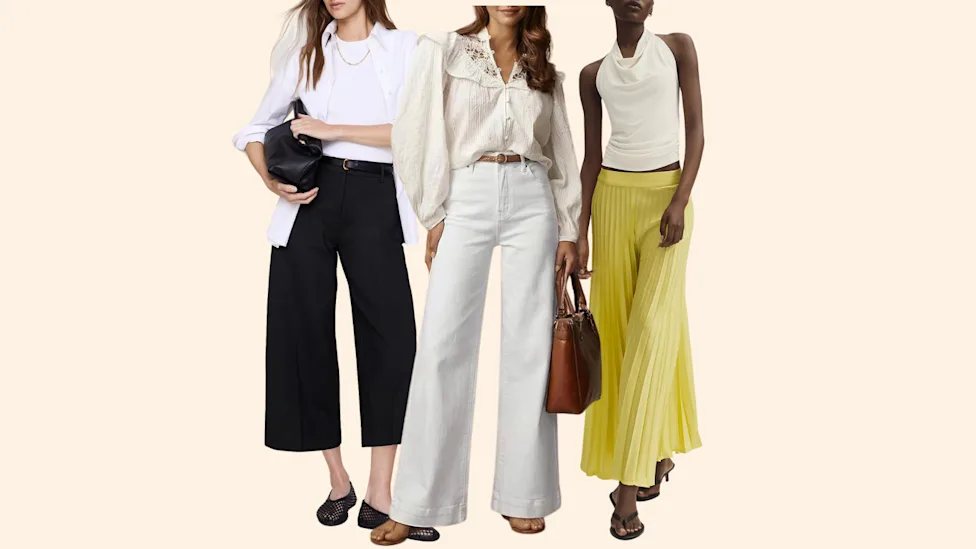
Finding the right pair of pants can be a little frustrating when you have short legs. You may find a pair that fits perfectly around your waist and hips, only to discover that the legs are too long or the fabric bunches around your ankles.
The good news? You don’t need to stick to one specific style.
The right rise, length, cut, and styling can make almost any pair of pants work better for shorter legs. Whether you prefer jeans, trousers, wide-leg pants, or something casual, the key is finding proportions that work with your body.
The best pants for short legs are usually those that create a clean, balanced look without adding unnecessary bulk. With a few practical shopping tips, finding them can become much easier.
Start With the Right Rise
The rise of your pants can have a surprisingly big impact on how long your legs appear.
High-rise pants are often a good starting point because they sit higher on the waist. This can visually move the waistline upward and make the lower half of the body appear longer.
You don’t necessarily need an extremely high rise. A comfortable pair that sits around your natural waist can create a similar effect.
Try pairing high-rise pants with a tucked-in shirt, fitted top, or shorter jacket. Showing some of the waistline can make the proportions look more balanced.
1. High-Rise Straight-Leg Pants
Straight-leg pants are one of the easiest styles to wear if you’re looking for a streamlined silhouette.
They fall relatively straight from the hip toward the ankle without adding excessive width. When combined with a higher waist and the correct inseam, they can create a long, uninterrupted line.
For everyday wear, try high-rise straight-leg jeans with a tucked-in T-shirt and simple sneakers.
For a dressier outfit, swap the sneakers for loafers or a low heel.
2. Ankle-Length Pants
Ankle-length pants can be a great choice because they eliminate the extra fabric that often makes regular-length pants look oversized on shorter legs.
The important part is where the hem finishes.
A clean hem around the ankle can look polished, while a pair that stops at an awkward point on the calf may visually break up the leg.
Try several cropped lengths to find the one that works best for your proportions.
Ankle pants are particularly easy to style with flats, loafers, sandals, or sleek sneakers.
3. Properly Tailored Full-Length Pants
Don’t assume that short legs mean you have to wear cropped pants.
Full-length trousers can look incredibly flattering when they’re tailored correctly.
The main thing to avoid is excessive fabric pooling around your shoes. Ideally, the hem should fall neatly without creating a large stack of fabric.
If you find a pair you love but the inseam is too long, having them professionally hemmed can make a major difference.
Sometimes a simple alteration can turn an average pair of pants into a wardrobe favorite.
4. Bootcut Pants
Bootcut pants are another style worth trying.
They’re relatively slim through the upper leg and gradually widen toward the hem. This subtle change in shape can create a longer-looking line, particularly when worn with a shoe that has a little height.
Bootcut jeans can be especially easy to wear with boots, heeled sandals, or low-profile shoes.
Avoid choosing an extremely wide flare unless you specifically want a dramatic look. A gentle flare is generally easier to style for everyday outfits.
5. Wide-Leg Pants
You don’t have to avoid wide-leg pants just because you have shorter legs.
The key is proportion.
A high waist combined with a long, clean hem can make wide-leg pants look elegant rather than overwhelming.
Try keeping the top relatively fitted or tucked in. This helps define the waist while allowing the pants to provide volume below.
If you’re wearing full-length wide-leg pants, make sure they’re long enough to create a continuous line but not so long that they drag on the ground.
6. Petite Pants
If regular pants almost always require alterations, try shopping specifically for petite sizes.
Petite clothing isn’t simply regular clothing made shorter. In many cases, the entire garment is proportioned differently.
The rise, knee placement, pocket position, and leg length may all be adjusted for a shorter frame.
This can make petite pants look more natural than regular pants that have simply been cut off at the bottom.
Of course, petite sizing isn’t the only solution. Your individual proportions matter more than the label.
7. Choose the Right Inseam
Inseam length is one of the most important details to check before buying pants.
Instead of guessing based on your height, measure a pair of pants that already fits you well.
Lay them flat and measure from the crotch seam to the bottom of the leg. Then compare that measurement with the pants you’re considering.
This is particularly helpful when shopping online, where a model’s height can make the pants appear very different from how they’ll look on you.
Remember that the ideal inseam changes depending on the style. An ankle pant will naturally have a shorter inseam than a full-length trouser.
8. Look for a Clean Leg Line
A streamlined leg can make styling easier.
Straight-leg, slim-straight, bootcut, and gently tapered pants can all create a relatively clean line from the hip downward.
This doesn’t mean you need to avoid details or interesting silhouettes.
If you love cargo pants or pleated trousers, wear them. Just make sure the amount and placement of the details don’t overwhelm your frame.
Large pockets around the lower leg, for example, can add visual width exactly where you may prefer a cleaner appearance.
9. Pay Attention to the Hem
The hem is more important than many people realize.
Too much fabric around the ankle can make pants look oversized. On the other hand, a hem that’s too short can make the pants look unintentionally cropped.
For full-length pants, aim for a finish that works with your shoes.
For ankle-length pants, choose a hem that exposes a deliberate amount of the ankle rather than ending at a random point.
When in doubt, tailoring is often the simplest solution.
10. Try Monochromatic Styling
You can make pants appear more visually connected to the rest of your outfit by keeping the colors relatively similar.
For example, wearing dark pants with dark shoes creates less visual interruption between the leg and foot.
A monochromatic outfit can have a similar effect because the eye moves more easily from one piece to another.
But don’t feel restricted to black or dark colors. Light or bright outfits can work beautifully too.
The idea is simply to create a sense of continuity.
11. Choose Shoes That Work With the Pants
Shoes can completely change the appearance of a pair of pants.
Pointed-toe flats and low heels can visually extend the foot. Sleek sneakers can work well with ankle-length pants, while boots can complement bootcut or full-length styles.
If you’re wearing long trousers, even a small heel can help the hem fall more naturally.
You don’t need high heels to create a longer-looking silhouette. The shape and proportion of the shoe are often more important.
12. Be Careful With Very Long Tops
A long, oversized top can sometimes hide the waistline and make the legs appear shorter.
If you’re wearing high-rise pants, try a tucked-in shirt, half-tuck, or shorter top.
This doesn’t mean you have to give up oversized sweaters or long shirts. Simply consider balancing them with a higher waist or a more streamlined pant.
A little definition around the waist can make the entire outfit feel more proportional.
13. Think About Fabric and Structure
Fabric can affect how pants hang on your body.
Very stiff or heavy materials can add visual bulk, while extremely thin materials may cling in places you don’t want them to.
For trousers, look for fabric that drapes naturally and maintains its shape.
For jeans, choose denim with enough structure to hold the leg shape without creating excessive bunching around the ankles.
Comfort matters, too. If you can’t sit, walk, or bend comfortably, the pants aren’t a good fit no matter how flattering they look.
Common Mistakes to Avoid
One of the biggest mistakes is buying pants that are too long and assuming the extra fabric will somehow make the legs look longer.
Usually, excessive bunching has the opposite effect.
Another mistake is wearing very wide pants with an equally oversized top without defining any part of the silhouette. The result can feel visually heavy.
Low-rise pants aren’t automatically wrong, either. If you love them, wear them. But if your goal is to create the appearance of longer legs, a higher rise may be easier to style.
Finally, don’t follow petite fashion rules so strictly that you stop wearing clothes you enjoy.
Quick Shopping Checklist
Before buying pants, ask yourself:
- Does the rise feel comfortable?
- Is the inseam right for the style?
- Does the waistband sit securely?
- Is there too much fabric around the ankles?
- Does the leg shape suit my proportions?
- Can I sit and move comfortably?
- Do the pants work with my everyday shoes?
- Would a simple alteration improve the fit?
- Do I actually like the way they look?
If the answer is yes to most of these questions, you’ve probably found a strong option.
Final Thoughts
The best pants for short legs aren’t limited to one particular cut. What matters most is proportion, fit, and how the pants work with the rest of your outfit.
High-rise styles can visually raise the waist, while straight-leg and bootcut pants can create a clean leg line. Ankle-length pants can eliminate unnecessary bunching, and properly tailored wide-leg or full-length pants can look just as flattering.
Most importantly, don’t be afraid of alterations. A few centimeters off the hem can completely change the appearance of a pair of pants.
Instead of asking, “Which pants are supposed to work for short legs?” ask, “Which pants fit my body well and make me feel good?”
Once you start paying attention to rise, inseam, hem, and overall proportions, shopping becomes much easier—and you’ll have far more styles to choose from than you might expect.
Leave a Reply