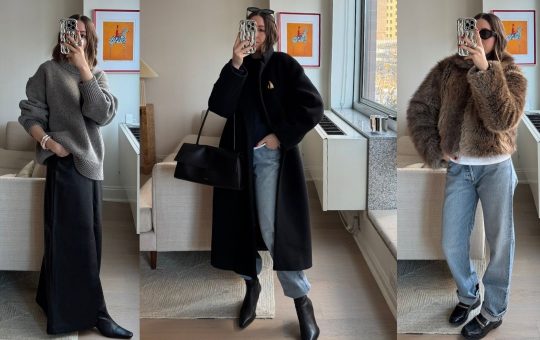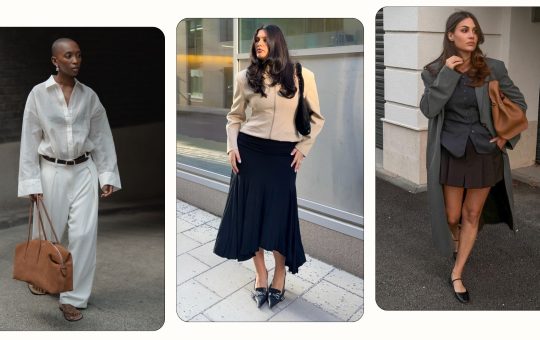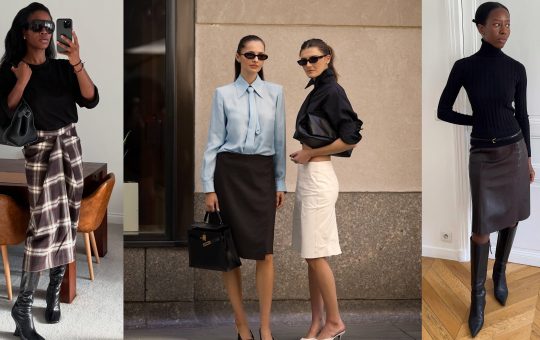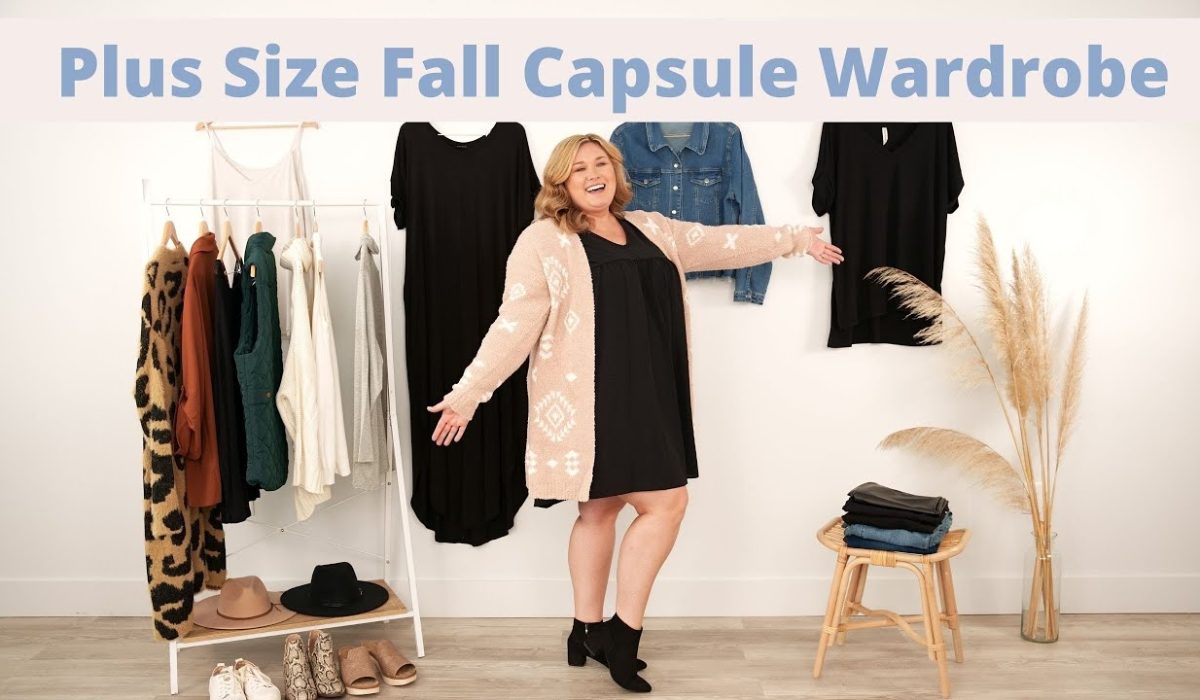
Getting dressed should feel simple, comfortable, and enjoyable. But when your closet is packed with clothes, finding something to wear can sometimes become surprisingly difficult. You may have plenty of options but still struggle to put together an outfit that feels right.
A capsule wardrobe offers a practical solution. Instead of filling your closet with pieces you rarely wear, you can create a carefully selected collection of clothing that works together in multiple ways.
Building a plus size capsule wardrobe does not mean following a specific body-shape formula or giving up the styles you love. It means creating a wardrobe around your comfort, lifestyle, personal taste, and confidence.
If you are a beginner and are not sure where to start, this step-by-step guide will show you how to build a practical plus size capsule wardrobe without making the process complicated.
What Makes a Capsule Wardrobe Different?
A capsule wardrobe is a collection of clothing where most pieces can be mixed and matched with one another.
For example, a single pair of trousers could be worn with a T-shirt for a casual day, a blouse for work, or a sweater when the weather gets cooler.
The idea is to make each item more useful.
There is also no universal number of pieces you must own. Your ideal capsule wardrobe may contain 25 pieces, 40 pieces, or more. What matters is whether your clothes work for your actual needs.
Step 1: Start With Your Lifestyle
Before buying anything, take a realistic look at your daily routine.
Think about where you spend most of your time and what types of clothing you actually need.
If you work in an office, you may need several polished outfits. If you work from home, casual and comfortable pieces may be more important. If you regularly attend social events, you may want a few dressier options.
Your capsule wardrobe should support your life rather than force you to change your lifestyle.
Make a quick list of the activities you dress for most often. This will help you decide which clothing categories deserve the most space in your wardrobe.
Step 2: Empty Your Closet
Now it is time to see what you already own.
Take your clothes out of the closet and look at them together. This can help you notice patterns that are difficult to see when everything is hanging separately.
Separate your clothing into groups such as:
- Frequently worn
- Occasionally worn
- Rarely worn
- Needs repair
- No longer useful
Do not worry about creating the perfect capsule wardrobe at this stage. Your main goal is simply to understand what you own.
Step 3: Keep the Pieces You Love
Pay special attention to the clothes you repeatedly choose.
Which tops do you reach for every week? Which pants feel the most comfortable? Which dresses make you feel confident? Which jackets work with several outfits?
These pieces can become the foundation of your capsule wardrobe.
Your favorite clothing can also tell you a lot about your personal style. You may discover that you naturally prefer relaxed silhouettes, neutral colors, colorful prints, denim, classic pieces, or a combination of different styles.
Step 4: Create a Flexible Color Palette
Choosing compatible colors can make outfit planning much easier.
Start with a few colors that you already enjoy wearing. Neutral shades such as black, navy, white, cream, gray, brown, and denim are easy to combine, but you do not have to build your wardrobe entirely around neutrals.
Add a few colors that make your outfits feel more personal.
For instance, black, cream, and denim could form the foundation, while burgundy, emerald green, or blue could provide color.
The goal is not to eliminate color. It is to make sure your clothing can be combined without too much effort.
Step 5: Choose Your Essential Tops
Once you understand your color palette, look at your tops.
A useful starting collection might include several everyday T-shirts, one or two blouses, a button-down shirt, and a sweater or cardigan.
Choose fabrics that feel comfortable and styles that fit your routine.
If you spend most of your day moving around, soft and flexible fabrics may be more useful than highly structured tops. If you work in a formal environment, you may want a few polished options.
Choose based on what you will actually wear.
Step 6: Build Your Bottoms Collection
Next, select bottoms that can be paired with several different tops.
Depending on your preferences, this might include:
- A pair of everyday jeans
- A second pair of jeans or casual pants
- Neutral trousers
- Wide-leg or relaxed pants
- A skirt
You do not need to include every option.
If jeans are your everyday favorite, you may want more than one pair. If you rarely wear skirts, simply leave them out.
A capsule wardrobe should be customized to you.
Step 7: Add a Few Versatile Dresses
Dresses can be extremely useful because they create a complete outfit with very little effort.
Choose one or two dresses that can be styled for different situations.
A simple dress can be worn casually with sneakers and a denim jacket. The same dress can become more polished with a blazer, jewelry, and dressier footwear.
Look for dresses that you genuinely enjoy wearing rather than choosing one simply because it is considered a wardrobe essential.
Step 8: Add Layers for More Outfit Options
Layering pieces can make a small wardrobe feel much larger.
Consider adding a cardigan, lightweight sweater, blazer, denim jacket, casual jacket, or coat depending on the season.
A good layering piece should work with several items already in your closet.
For example, one cardigan might be worn over a T-shirt with jeans, over a blouse with trousers, or over a dress.
This is exactly what makes a capsule wardrobe practical.
Step 9: Select Shoes Based on Your Routine
You do not need a large shoe collection to create lots of outfits.
Start with the footwear you use most frequently.
A comfortable pair of sneakers can work with jeans, trousers, skirts, and casual dresses. Depending on your lifestyle, you might also need loafers, flats, sandals, ankle boots, or a dressier pair.
Think about comfort as well as appearance.
If you spend a lot of time walking, shoes that look stylish but hurt your feet are unlikely to become useful capsule wardrobe pieces.
Step 10: Use Accessories to Change Your Looks
Accessories can add personality without requiring you to purchase more clothing.
A few useful options include:
- A versatile handbag
- A belt
- Simple earrings
- A necklace
- Sunglasses
- A scarf
- A watch
Accessories are particularly helpful when your wardrobe contains many basic pieces.
For example, changing your shoes, bag, and jewelry can make the same basic outfit feel completely different.
Step 11: Make Fit Your Priority
One of the most important rules for any capsule wardrobe is choosing clothing that feels good on your body.
Do not keep an item just because you like the design if you constantly feel uncomfortable wearing it.
When trying clothes, move around. Sit down, walk, stretch your arms, and check how the garment feels.
Pay attention to areas such as the shoulders, bust, waist, hips, thighs, and sleeves.
Remember that clothing sizes are not standardized across every brand. The number on a label does not determine whether an item is right for you.
Focus on how the garment fits and feels.
Step 12: Test Your Clothes by Creating Outfits
Before buying anything new, challenge yourself to create several outfits from the clothes you already own.
Take one pair of jeans and see how many tops, jackets, shoes, and accessories you can combine with them.
Then repeat the process with your trousers, dresses, and other important pieces.
If an item works with many different pieces, it has strong capsule wardrobe potential.
If something only works with one specific outfit, think carefully about whether it deserves space in your wardrobe.
Step 13: Make a Shopping List
After organizing your closet, you should have a much clearer idea of what is missing.
Maybe you discover that you have plenty of tops but very few versatile bottoms. Perhaps you need a comfortable jacket or an everyday pair of shoes.
Write down those gaps before shopping.
This prevents impulse purchases and helps you spend money on pieces that will actually improve your wardrobe.
Step 14: Introduce Seasonal Changes
Your capsule wardrobe does not need to stay identical throughout the year.
As the seasons change, rotate some items in and out.
Summer might require lightweight tops, breathable dresses, and sandals. Fall may call for sweaters, jeans, jackets, and boots. Winter can require warmer layers and coats.
Keeping seasonal clothing separate can also make your everyday closet feel less crowded.
Step 15: Review Your Wardrobe Regularly
A capsule wardrobe should change as your life changes.
Your work situation, hobbies, climate, personal preferences, or style may evolve over time.
Every few months, review your wardrobe and ask yourself:
Am I wearing these clothes? Do they still fit my lifestyle? Do I feel comfortable in them?
If the answer is no, consider replacing, donating, repairing, or storing the item depending on the situation.
Mistakes to Avoid When Building a Plus Size Capsule Wardrobe
One common mistake is buying too many “basics” without considering whether you actually enjoy wearing them.
Another is focusing on trends instead of versatility. Trends can be fun, but a capsule wardrobe should primarily contain pieces that you will wear repeatedly.
It is also easy to compare your wardrobe with someone else’s. Remember that their lifestyle, preferences, and clothing needs may be completely different from yours.
There is no single correct way to build a plus size capsule wardrobe.
Final Thoughts
Learning how to build a plus size capsule wardrobe is really about making your closet work harder for you.
Start by understanding your lifestyle, sorting through the clothes you already own, and identifying the pieces you genuinely enjoy wearing. Then create a flexible color palette and gradually add versatile tops, bottoms, dresses, layers, shoes, and accessories.
Always prioritize comfort and fit over arbitrary fashion rules.
You do not need to replace your entire wardrobe at once. Build slowly, experiment with different combinations, and keep the pieces that make you feel comfortable and confident.
With the right approach, a capsule wardrobe can give you fewer clothes to manage while providing more outfits you actually want to wear.