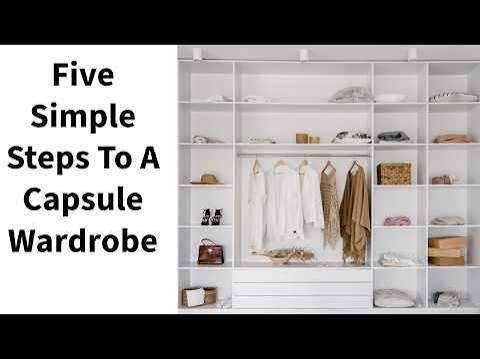
You are not alone. Many people have wardrobes packed with clothes, yet getting dressed every morning can still feel frustrating. Too many choices, clothes that no longer fit, items that do not match each other, and pieces bought on impulse can quickly make a wardrobe feel overwhelming.
That is where a capsule wardrobe can help.
A capsule wardrobe is not about owning only a few boring outfits or getting rid of everything you love. Instead, it is about keeping a smaller collection of clothes that you actually enjoy wearing. The pieces are versatile, easy to mix and match, and suitable for your everyday life.
The result? Less stress when getting dressed, fewer unnecessary purchases, and a wardrobe that works better for you.
If you are ready to simplify your closet, this step-by-step guide will help you build a capsule wardrobe that fits your lifestyle, personal taste, and budget.
What Is a Capsule Wardrobe?
Simply put, a capsule wardrobe is a carefully chosen collection of clothes that work well together.
Instead of filling your closet with dozens of random items, you focus on pieces that can be worn in different combinations. A good capsule wardrobe usually includes everyday basics, a few layering pieces, suitable shoes, and seasonal items.
For example, your wardrobe might include:
- Basic T-shirts and tops
- Jeans and trousers
- Shirts or blouses
- Sweaters and jackets
- Dresses or skirts
- Comfortable everyday shoes
- Seasonal clothing
There is no magic number when it comes to a capsule wardrobe. Some people are happy with 25 or 30 pieces, while others prefer 40 or more.
The number does not really matter.
What matters is whether the clothes work for you. Every item should ideally fit well, feel comfortable, and go with several other pieces in your wardrobe.
Step 1: Start With Your Lifestyle
Before you start throwing clothes away or shopping for new ones, take a moment to think about your daily life.
Your wardrobe should match the life you actually live, not the life you imagine yourself living.
For example, if you work from home most days, you probably do not need five formal blazers and several pairs of dress shoes. On the other hand, if you work in an office, comfortable loungewear alone will not be enough.
Ask yourself:
- What do I do most days?
- Do I work from home or in an office?
- Do I often attend formal events?
- How frequently do I travel?
- What is the weather like where I live?
- What clothes do I naturally reach for again and again?
Be honest with yourself.
If you rarely wear formal clothes, there is no need to make them a major part of your capsule wardrobe. Build your wardrobe around your real routine.
Step 2: Figure Out Your Personal Style
A capsule wardrobe should still feel like you.
There is no point in creating a perfectly organized closet if you do not enjoy wearing the clothes inside it.
Think about the outfits that make you feel confident and comfortable. Do you prefer simple and classic looks? Casual outfits? Neutral colors? Sporty clothing? Or maybe something more elegant?
Some common style categories include:
- Casual
- Minimalist
- Classic
- Smart casual
- Sporty
- Elegant
- Streetwear
You do not have to choose just one.
Most people naturally mix different styles. For example, you might enjoy classic clothing for work but prefer casual outfits on weekends.
A helpful way to understand your style is to look at the clothes you already wear the most. You can also save outfit ideas from fashion websites or social media.
After a while, you may start noticing patterns. Perhaps you are drawn to neutral colors, simple outfits, loose-fitting clothes, or timeless pieces.
Those patterns can help you build a wardrobe that feels natural rather than forced.
Step 3: Go Through Your Current Closet
Now comes the part that can take a little time: sorting through your clothes.
Take a good look at what you already own. You may be surprised to discover that you already have many of the basics you need.
Pick up each item and ask yourself:
- Do I actually wear this?
- Does it fit me well?
- Is it comfortable?
- Do I still like it?
- Does it match my current style?
- Can I wear it with other items?
- Is it in good condition?
If you have not worn something in years and have no real intention of wearing it again, it may be time to let it go.
You can divide your clothes into four simple groups.
Keep
These are the clothes you love and wear regularly. They fit well and make you feel good.
Donate
If something is still in good condition but no longer suits your style, consider donating it.
Sell
Higher-quality or valuable items that you no longer use can be sold.
Store
Some clothes are seasonal. Heavy coats and thick sweaters, for example, may not be useful during warmer months.
The goal is not to throw everything away. It is simply to make room for the clothes that truly serve a purpose.
Step 4: Choose a Simple Color Palette
One reason capsule wardrobes are so easy to use is that most of the clothes can be mixed and matched.
Choosing a simple color palette can make this much easier.
Start with a few neutral colors, such as:
- Black
- White
- Gray
- Beige
- Navy
- Brown
Then add a few colors that you personally enjoy wearing.
For example, your main colors might be black, white, gray, and beige, while blue, green, or burgundy could be your accent colors.
You do not have to avoid bright colors completely. If you love wearing red, yellow, or pink, include them.
The idea is simply to choose colors that work well together so getting dressed becomes easier.
Step 5: Choose Your Essential Pieces
Once you have a better understanding of your lifestyle, style, and color preferences, you can start building the foundation of your wardrobe.
Basic Tops
Basic tops are often the most useful items in a capsule wardrobe because they can be worn in so many different ways.
You might include:
- A white T-shirt
- A black T-shirt
- A neutral-colored top
- A long-sleeve shirt
- A casual blouse or button-up shirt
Choose pieces that feel comfortable and suit your everyday routine.
Bottoms
You do not need ten different pairs of pants. A few versatile options are usually enough.
Consider:
- A pair of blue jeans
- Black trousers
- Neutral-colored pants
- Shorts for warmer weather
- A skirt, if you enjoy wearing one
Try to choose bottoms that can be paired with several different tops.
Layers
Layering pieces can make a small wardrobe feel much more versatile.
A few useful options include:
- A denim jacket
- A blazer
- A cardigan
- A comfortable sweater
- A lightweight jacket
The same T-shirt and jeans can look completely different when you add a blazer, cardigan, or jacket.
Shoes
You do not need a huge shoe collection either. Focus on shoes that match your lifestyle.
Depending on your needs, you might have:
- Comfortable sneakers
- Casual everyday shoes
- Formal shoes
- Boots
- Sandals
Think about where you go and what you do most often before buying anything.
Step 6: Choose Quality Over Quantity
One of the main benefits of a capsule wardrobe is learning to buy more intentionally.
Instead of buying several cheap items that may only last a few months, it can be better to choose fewer pieces that you genuinely like and can wear for a long time.
When shopping, pay attention to:
- Fabric
- Stitching
- Comfort
- Fit
- Durability
This does not mean you need to buy expensive designer clothes.
Good quality can be found at different price points. The important thing is to avoid buying something simply because it is cheap or on sale.
A basic T-shirt that you wear every week may offer much more value than five shirts that sit untouched in your closet.
Step 7: Make Sure Your Clothes Work Together
Before adding something new to your wardrobe, ask yourself one important question:
How many different ways can I wear this?
The more outfits you can create with an item, the more useful it is.
For example, a simple black blazer can work with jeans, trousers, skirts, dresses, and even a basic T-shirt.
That makes it a versatile piece.
Try to avoid buying clothes that only work with one specific outfit unless you truly love them and know you will wear them.
A capsule wardrobe works best when most of your clothes can be combined easily.
Step 8: Do Not Buy Everything at Once
You do not need to completely replace your wardrobe overnight.
In fact, that can lead to unnecessary spending.
Start with what you already have. After sorting through your closet, you may realize that you already own several useful pieces.
Perhaps you already have:
- Two good pairs of jeans
- Several basic T-shirts
- A jacket you love
- Comfortable sneakers
If so, you only need to identify what is missing.
Take your time. Add new pieces gradually and only when you find something that genuinely fits your wardrobe.
Building a capsule wardrobe is a process, not a one-day project.
Step 9: Experiment With Different Outfits
One of the most enjoyable parts of having a capsule wardrobe is discovering how many outfits you can create with fewer clothes.
Try mixing your pieces in different ways.
For example:
Casual look:
White T-shirt + Blue jeans + Sneakers
Smart casual look:
White shirt + Black trousers + Blazer
Relaxed weekend look:
Sweater + Jeans + Casual shoes
Small changes can completely transform an outfit.
You can also take photos of combinations you like. This can save time on busy mornings when you do not want to think too much about what to wear.
Step 10: Review and Adjust Your Wardrobe
Your wardrobe does not have to stay exactly the same forever.
Your lifestyle may change. Your job may change. Your personal style may also evolve.
Every few months, take a look at your wardrobe and ask:
- What do I wear most often?
- What items do I never wear?
- Is there anything I genuinely need?
- Has my lifestyle changed?
You can also adjust your wardrobe according to the seasons.
During summer, you may need lightweight clothing, shorts, and sandals. During winter, sweaters, coats, and boots may become more important.
However, many core pieces, such as jeans, T-shirts, and jackets, can remain useful throughout the year.
Final Thoughts
Building a capsule wardrobe does not mean following strict rules or limiting yourself to a certain number of clothes.
It is about creating a wardrobe that makes your everyday life easier.
The best capsule wardrobe is one that fits your lifestyle, reflects your personality, and includes clothes you genuinely enjoy wearing.
Start small. Go through your closet, keep your favorite pieces, choose a color palette that works for you, and focus on clothes that can be mixed and matched.
Most importantly, do not feel pressured to make everything perfect.
Your wardrobe can change and grow over time. The goal is simply to own clothes that make getting dressed easier, reduce unnecessary shopping, and help you feel confident in what you wear.
When you focus on quality, versatility, and your personal needs, you can create a capsule wardrobe that is simple, practical, and