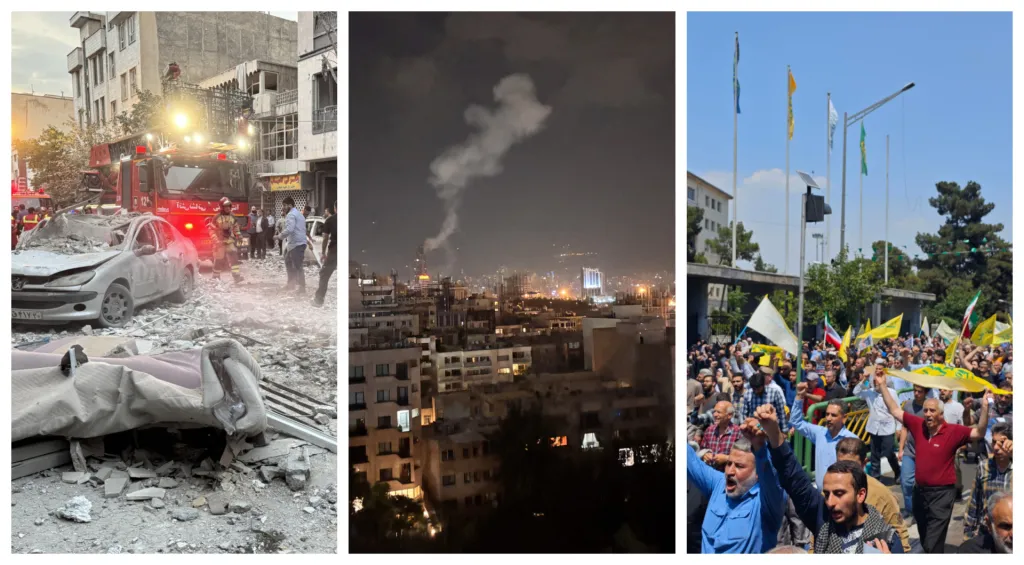
The Iran-Israel conflict is a major international issue in 2026, attracting attention from governments, businesses, and people around the world. Military tensions, diplomatic negotiations, and concerns about regional security have created uncertainty across the Middle East. The involvement of the United States has added further complexity to the situation.
The effects of the conflict extend beyond the countries directly involved. Disruptions to shipping routes, changes in oil prices, and concerns about civilian safety can affect the global economy. As events continue to develop, understanding the background and major issues surrounding the conflict is essential.
This article explores the Iran-Israel conflict, diplomatic efforts, the importance of the Strait of Hormuz, economic consequences, and possible developments in 2026.
Latest Iran-Israel War News in 2026
The Iran-Israel conflict remains a significant concern because of its potential impact on regional stability. Military developments and diplomatic statements can quickly change the situation, making reliable news coverage especially important.
Negotiations involving Iran and the United States have focused on several major issues, including nuclear policy, maritime security, economic sanctions, and the conditions needed to reduce hostilities. However, reaching an agreement can be difficult when the parties have different priorities and security concerns.
Iran has emphasized its national interests and the need to address maritime security. The United States has continued to focus on Iran’s nuclear activities and broader regional security. Israel’s security concerns are also an important part of the wider conflict.
Diplomatic communication may create opportunities to reduce tensions, but discussions alone do not guarantee a lasting settlement. Any agreement would need to address the main disagreements and establish conditions that the parties are prepared to accept.
For readers following Iran-Israel war latest news in 2026, checking publication dates and comparing reports from reliable news organizations can help separate confirmed developments from speculation.
Background of the Iran-Israel Conflict
Relations between Iran and Israel have been strained for decades. Their rivalry involves regional influence, military security, Iran’s nuclear program, and support for armed groups operating in the Middle East.
For many years, the tensions included threats, cyber operations, covert activities, and indirect confrontations. These developments increased concerns about the possibility of a wider military conflict.
The situation escalated significantly in 2026 when the United States and Israel launched strikes against Iran on February 28. The resulting conflict created serious regional security challenges and increased pressure on international leaders to pursue diplomatic solutions.
Iran’s nuclear activities have remained a central point of disagreement. The United States and Israel have expressed concerns about the security implications of Iran’s nuclear program, while Tehran has disputed demands placed on its activities and emphasized its own security interests.
These competing positions make the conflict difficult to resolve. A lasting settlement would require more than an end to immediate military operations. It would also need to address political disagreements, security guarantees, and the future relationship between the countries involved.
Why the Strait of Hormuz Is Important
The Strait of Hormuz is one of the world’s most important maritime routes. Located between the Persian Gulf and the Gulf of Oman, it provides a major passage for international oil and liquefied natural gas shipments.
A substantial portion of the world’s energy trade passes through this narrow waterway. As a result, any disruption can affect energy markets, shipping companies, and countries that rely on imported fuel.
When maritime security deteriorates, shipping companies may face higher insurance costs, delivery delays, and additional transportation expenses. These problems can affect supply chains far beyond the Middle East.
Oil prices may also change when traders become concerned about future supplies. Even without a confirmed shortage, uncertainty can influence market expectations and business decisions.
The Strait of Hormuz has therefore become an important issue in discussions about regional stability. Restoring safe and reliable shipping could help reduce economic pressure, although it would not resolve every disagreement connected to the conflict.
The United States and Diplomatic Efforts
The United States has played an important role in the conflict through military involvement, regional security commitments, and diplomatic initiatives.
Washington has raised concerns about Iran’s nuclear program and the security of its regional partners. At the same time, diplomatic discussions have explored possible ways to reduce hostilities and improve maritime security.
Iran and the United States continue to face difficult questions about nuclear restrictions, sanctions, security arrangements, and the order in which negotiations should take place.
Other countries can help facilitate communication and encourage diplomatic progress. However, mediation cannot guarantee success if the parties remain unwilling to compromise on their central demands.
A durable agreement would likely require clearly defined commitments, a process for addressing future disputes, and confidence that the agreed conditions would be followed.
Diplomacy remains important because continued military confrontation could cause additional casualties, damage infrastructure, and increase instability throughout the region.
Effects on the Middle East
The consequences of the Iran-Israel conflict extend beyond the two countries. Other Middle Eastern nations face concerns about missile and drone attacks, maritime incidents, and the possibility of additional armed groups becoming involved.
Regional governments must protect their populations and critical infrastructure while considering how their decisions could affect the wider security situation.
The conflict can also disrupt tourism, aviation, commercial transportation, and investment. Airlines may need to change flight routes when security risks increase, while companies may delay investment because of uncertainty.
Countries that depend on regional trade or imported energy may experience additional economic pressure. Humanitarian organizations can also face difficulties delivering essential supplies when transportation networks become less reliable.
Although different incidents may be connected to the wider regional crisis, each event should be assessed separately. Reliable reporting should distinguish verified information from claims that have not been independently confirmed.
Impact on Oil Prices and the Global Economy
Energy markets are particularly sensitive to instability in the Middle East because the region plays an important role in global oil production and transportation.
Concerns about supply disruptions can influence oil prices and increase uncertainty for businesses. Higher fuel costs may affect airlines, trucking companies, manufacturers, and other industries that depend on energy.
Consumers may also feel the effects through increased transportation expenses and higher prices for certain goods. If shipping becomes more expensive, businesses may pass some of those costs on to customers.
Countries that import large amounts of oil may be especially vulnerable to prolonged disruptions. Governments may respond by monitoring energy reserves, diversifying suppliers, or introducing measures to manage economic pressure.
However, oil prices are influenced by several factors, including global demand, production levels, inventories, and decisions by major energy-producing countries. It is important to consider these factors rather than attributing every price change to the conflict.
Businesses and investors should follow verified market reports alongside developments in diplomacy and maritime security.
Humanitarian Impact and Civilian Safety
Armed conflict can have serious consequences for ordinary people. Families may face displacement, damaged homes, interrupted education, limited healthcare, and difficulties accessing food, water, and other essential supplies.
Damage to roads, hospitals, electricity networks, and water systems can make daily life more difficult. People may also lose income when businesses close or workplaces are damaged.
Children, older adults, and people who require regular medical treatment can face additional challenges during emergencies. Humanitarian assistance becomes especially important when essential services are interrupted.
Accurate information is essential during a developing conflict. Images and videos shared online may be outdated or presented without sufficient context. Casualty figures and claims about responsibility can also change as new evidence becomes available.
Readers should compare reports from established news organizations and check whether major claims have been independently verified. Protecting civilians and enabling humanitarian assistance remain important priorities during any effort to reduce hostilities.
What Could Happen Next?
The future of the Iran-Israel conflict will depend on diplomatic progress, military decisions, and the ability of regional and international governments to manage tensions.
Successful negotiations could create opportunities to reduce hostilities, improve maritime security, and address broader disagreements. However, progress may remain difficult if the parties cannot agree on nuclear policy, sanctions, security guarantees, and the conditions for ending the conflict.
Further escalation could increase pressure on neighboring countries, disrupt energy transportation, and create additional uncertainty for international markets. It could also make future negotiations more complicated.
At present, it is not possible to predict with certainty when the conflict will end. Statements about a possible settlement should be treated cautiously unless supported by confirmed agreements or reliable reporting.
Monitoring verified announcements and independent analysis is the best way to understand how the situation develops.
Conclusion
Iran-Israel war latest news in 2026 remains important because the conflict affects regional security, international diplomacy, global energy markets, and civilian communities. The involvement of the United States and disagreements over Iran’s nuclear program have made efforts to reduce tensions more complicated.
The Strait of Hormuz is another major concern because disruptions to shipping could affect energy supplies and international trade. At the same time, humanitarian needs and civilian safety remain central issues.
A lasting resolution will depend on whether the parties can address their disagreements and establish reliable arrangements for reducing hostilities. Until then, readers should follow trusted news sources and verify publication dates to understand the latest confirmed developments.
Frequently Asked Questions
Is the Iran-Israel conflict still ongoing in 2026?
The conflict has been a major security issue in 2026. Its current status can change rapidly, so readers should check the latest verified reports before publishing or relying on specific updates.
Why is the Strait of Hormuz important during the conflict?
It is a major route for global oil and natural gas shipments. Disruptions can affect energy supplies, shipping costs, and international trade.
Why is the United States involved?
The United States has participated in military operations and diplomatic efforts, citing security concerns and its commitments in the region.
How does the conflict affect the global economy?
The conflict can influence energy prices, increase shipping expenses, disrupt supply chains, and create uncertainty for businesses and consumers.
Where can I find reliable Iran-Israel war updates?
Readers can follow established news organizations such as Reuters and BBC News. Check the publication date and look for independent confirmation of major developments.