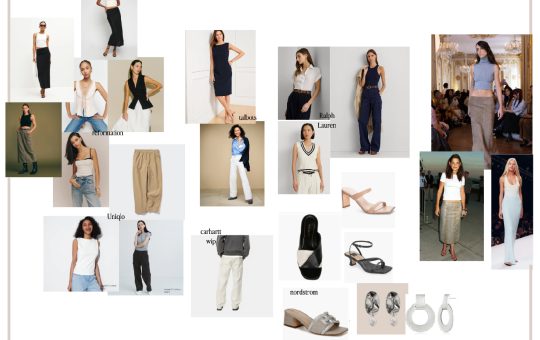
Fall is the season when getting dressed becomes a little more interesting. The weather is no longer as hot as summer, but it is not yet cold enough for heavy winter clothes. Some days start with a chilly morning and end with a warm afternoon, which can make choosing an outfit surprisingly difficult.
You might have plenty of clothes in your closet and still spend too much time deciding what to wear.
A fall capsule wardrobe can make this much easier.
Instead of buying more clothes, a capsule wardrobe helps you focus on the pieces you already enjoy wearing. The idea is to create a smaller, more practical collection of clothing that can be mixed, matched, and layered in different ways.
You do not need to follow a strict fashion formula. You also do not need to throw away most of your clothes or limit yourself to a specific number of items.
The goal is simple: create a wardrobe that works for your everyday life.
In this step-by-step guide, you will learn how to build a fall capsule wardrobe based on your lifestyle, personal style, climate, and clothing needs.
What Is a Fall Capsule Wardrobe?
A fall capsule wardrobe is a collection of clothing selected specifically for the autumn season.
The pieces are chosen because they are useful, comfortable, and easy to wear with one another.
Instead of having dozens of items that only work with one specific outfit, you focus on versatile clothing that gives you several styling options.
A fall capsule wardrobe may include:
- Long-sleeve tops
- Basic T-shirts
- Sweaters
- Cardigans
- Jeans
- Trousers
- Jackets or light coats
- Dresses or skirts
- Everyday shoes
- A few seasonal accessories
There is no perfect number of items.
Your wardrobe may need to be larger or smaller depending on your work, lifestyle, climate, and personal preferences.
A capsule wardrobe is not about owning the fewest possible clothes. It is about making sure the clothes you own are actually useful.
Step 1: Look at Your Everyday Life First
Before organizing your closet or buying anything new, think about your daily routine.
Your clothes should fit the life you actually live.
Ask yourself:
- Where do I spend most of my time?
- Do I work from home or outside the home?
- Do I need professional clothing?
- How often do I go out socially?
- Do I spend a lot of time walking or outdoors?
- What do I usually wear during a normal week?
Your answers will help you decide what belongs in your wardrobe.
For example, someone who works in an office may need polished trousers, shirts, and smart shoes. Someone who works from home may need more comfortable and casual clothing.
It is easy to create a wardrobe based on fashion inspiration, but it is much more useful to build one around your real lifestyle.
Start with what you actually need.
Step 2: Think About Your Fall Weather
Fall looks different depending on where you live.
In some places, autumn stays warm for several months. In other areas, temperatures drop quickly, and rainy or windy days are common.
Before choosing your clothes, consider your local conditions.
Think about:
- How cold mornings and evenings become
- Whether it rains frequently
- How windy the weather is
- Whether temperatures change during the day
If your fall season is mild, lightweight layers may be enough.
If the weather becomes cold quickly, warmer sweaters and heavier outerwear may be necessary.
Your wardrobe should be practical for the weather you actually experience.
Step 3: Decide What Style Feels Most Like You
A capsule wardrobe should make your life easier, but it should not make you feel like you are wearing someone else’s clothes.
Think about the outfits you naturally enjoy.
Maybe you prefer casual and relaxed clothing. Perhaps you like classic outfits, simple neutral colors, or smart casual looks.
Some common styles include:
- Casual
- Classic
- Minimalist
- Smart casual
- Sporty
- Relaxed
- Elegant
You do not have to choose only one style.
Most people naturally combine different styles.
Look at the clothes you wear most often. Your favorite items can tell you a lot about your personal style.
The goal is to build a wardrobe that feels natural to wear.
Step 4: Go Through Your Current Closet
Before buying new fall clothes, check what you already own.
This step is important because you may already have many useful pieces.
Take a look at your fall clothing and ask yourself:
- Does this fit well?
- Is it comfortable?
- Do I enjoy wearing it?
- Have I worn it recently?
- Is it still in good condition?
- Can I wear it with other items?
Then divide your clothes into simple categories.
Keep
Keep the clothes that fit well and that you genuinely enjoy wearing.
Donate
Donate items that are still usable but no longer match your lifestyle or style.
Sell
You may decide to sell expensive or high-quality pieces that you no longer wear.
Store
Put away clothing that is not useful during the current season.
Once you finish, it will be easier to see what your wardrobe is missing.
Step 5: Choose Colors That Are Easy to Combine
You do not need to wear only neutral colors to have a capsule wardrobe.
However, choosing colors that work well together can make getting dressed much easier.
Start with a few base colors.
These might include:
- Black
- White
- Gray
- Beige
- Brown
- Navy
Then add a few colors you enjoy wearing.
For fall, you might like:
- Burgundy
- Olive green
- Rust
- Mustard
- Deep red
- Dark blue
Choose colors that make you feel good.
The goal is not to follow a seasonal rule. It is simply to create a collection where your tops and bottoms can be combined easily.
Step 6: Start With Basic Everyday Tops
Every good fall wardrobe needs comfortable tops.
Long-sleeve tops are especially useful because they can be worn alone or layered when the weather gets colder.
You might choose:
- A simple white long-sleeve top
- A dark-colored basic top
- A striped shirt
- A casual blouse
- A neutral everyday shirt
Basic T-shirts can also remain part of your fall wardrobe.
They are useful underneath cardigans, jackets, and overshirts.
Choose clothing that you can imagine wearing regularly.
There is no need to keep a piece simply because it is considered a wardrobe essential.
Step 7: Add Sweaters You Will Actually Wear
Sweaters are a natural part of fall dressing.
They provide warmth and can make an outfit feel comfortable and seasonal.
However, you do not need a large collection.
A few sweaters that fit well and match the rest of your wardrobe can be enough.
You might include:
- A neutral-colored sweater
- A lightweight knit
- A darker sweater
- One sweater in a favorite color
Consider your local weather before choosing the thickness of your sweaters.
A lightweight knit may be perfect for mild weather, while colder areas may require something warmer.
Choose sweaters that work with more than one bottom.
Step 8: Add a Versatile Cardigan
Cardigans are useful because they make layering easy.
You can wear one over a T-shirt, blouse, or long-sleeve top. If the weather becomes warmer, you can simply take it off.
A simple cardigan can work with many different outfits.
You may only need one or two.
Choose colors that work with your existing clothes.
A neutral cardigan can often be worn repeatedly without feeling difficult to style.
The best pieces in a capsule wardrobe are usually the ones you reach for without thinking too much.
Step 9: Select Your Main Bottoms
Your fall wardrobe does not need a large number of pants.
A few versatile options can create plenty of outfits.
Consider what you normally wear.
You might choose:
- Blue jeans
- Dark jeans
- Black trousers
- Neutral-colored pants
Comfort is important.
Do not keep a pair of jeans simply because they look fashionable if you never feel comfortable wearing them.
The best bottoms are the ones that fit well and work with several tops.
Try pairing each bottom with different items in your wardrobe.
If you can create several outfits easily, you have made a good choice.
Step 10: Choose Outerwear for the Season
Fall weather often requires an extra layer.
You do not need several jackets unless your lifestyle or climate requires them.
One or two versatile options may be enough.
Depending on your style, you might consider:
- A denim jacket
- A lightweight jacket
- A trench coat
- A blazer
- A light coat
Think about where and when you will wear it.
A denim jacket may be perfect for casual days, while a blazer can be useful for work or more polished outfits.
Choose outerwear that works with most of your wardrobe.
Step 11: Use Layering to Create More Outfits
Layering is one of the best parts of fall fashion.
It allows you to adjust your outfit as the temperature changes.
For example, you might wear:
T-shirt + Cardigan + Jacket
Or:
Long-sleeve top + Sweater + Light coat
You can remove a layer when the weather becomes warmer.
Layering also helps you create different looks using the same clothing.
A simple T-shirt may look completely different when worn alone, under a cardigan, or underneath a jacket.
This is one reason why capsule wardrobes work so well during fall.
Step 12: Decide Whether Dresses and Skirts Belong in Your Wardrobe
Dresses and skirts can still work well during fall.
You can make them suitable for cooler weather by adding layers.
For example, you can combine a dress with:
- A cardigan
- A jacket
- Boots
- Tights
However, these items are completely optional.
If dresses and skirts are not part of your regular style, you do not need to add them.
Your wardrobe should be useful to you, not based on a generic checklist.
Step 13: Choose Comfortable Shoes
Shoes should match both your lifestyle and the weather.
During fall, you may need footwear that is comfortable for walking and suitable for cooler or rainy days.
A simple shoe collection might include:
- Comfortable sneakers
- Ankle boots
- Loafers
- Casual everyday shoes
You do not need every option.
Think about where you go most often.
If you walk a lot, prioritize comfort. If your area has frequent rain, choose shoes that can handle wet weather.
A few reliable pairs are often more useful than a large collection you rarely wear.
Step 14: Make Sure New Pieces Work With What You Own
Before buying a new item, pause and ask one important question:
How will I wear this?
Try to imagine at least three different outfits.
For example, if you want to buy a new sweater, ask yourself:
- Can I wear it with my jeans?
- Does it match my trousers?
- Can I layer it under my jacket?
- Which shoes will work with it?
If the item only works with one outfit, think carefully before buying it.
A versatile item is usually a better investment because you will have more opportunities to wear it.
Step 15: Add Accessories for Variety
Accessories can help you change your outfits without buying more clothes.
A few simple items can add personality and variety to your wardrobe.
For fall, you may consider:
- A lightweight scarf
- A practical everyday bag
- A belt
- A simple hat
- Minimal jewelry
You do not need a large collection.
Even changing your shoes or adding a scarf can make the same outfit feel different.
Accessories are a simple way to get more variety from the clothes you already own.
Step 16: Do Not Rush to Buy Everything
Building a capsule wardrobe takes time.
You do not need to replace your entire closet in one day.
Start with what you already own.
After organizing your clothes, identify any real gaps.
Maybe you already have enough sweaters but need a good jacket. Perhaps you have plenty of tops but no comfortable shoes for fall.
Make a short list before shopping.
Buy new pieces slowly and carefully.
This can help you avoid impulse purchases and save money.
Step 17: Try Creating Outfits Before You Need Them
Once you have chosen your main pieces, spend some time experimenting.
Mix your tops, bottoms, shoes, and layers.
You may discover combinations you had not considered before.
Here are a few simple examples:
Everyday Casual Look:
Long-sleeve top + Jeans + Sneakers
Cozy Weekend Outfit:
Sweater + Dark jeans + Boots
Smart Casual Look:
Simple blouse + Trousers + Cardigan
Layered Fall Outfit:
T-shirt + Denim jacket + Jeans
You can create a completely different look by changing only your shoes or outer layer.
Having a few go-to combinations can also save time on busy mornings.
Step 18: Pay Attention to What You Actually Wear
As the season continues, notice which clothes you reach for most often.
You may find that some pieces become favorites while others stay untouched.
Ask yourself:
- Which clothes do I wear repeatedly?
- What items do I rarely choose?
- What feels the most comfortable?
- Is there anything I genuinely need?
Your answers can help you make better decisions in the future.
A good wardrobe develops over time.
The more you understand your habits, the easier it becomes to avoid buying clothes you will not use.
Final Thoughts
Building a fall capsule wardrobe does not mean following strict rules or owning a certain number of clothes.
It is about making your wardrobe simpler and more useful.
Start by thinking about your lifestyle, personal style, and local weather. Then look through your current closet and keep the clothes that fit well and make you feel comfortable.
Focus on versatile pieces that can be mixed, matched, and layered.
A few good tops, sweaters, jeans, trousers, jackets, and comfortable shoes can create plenty of different outfits.
Take your time and avoid unnecessary shopping.
Your wardrobe does not have to be perfect immediately. As you wear your clothes throughout the season, you will learn what works best for you.
The best fall capsule wardrobe is one that makes getting dressed easier.
When your closet is filled with clothes you genuinely enjoy wearing, you spend less time wondering what to wear and more time enjoying the