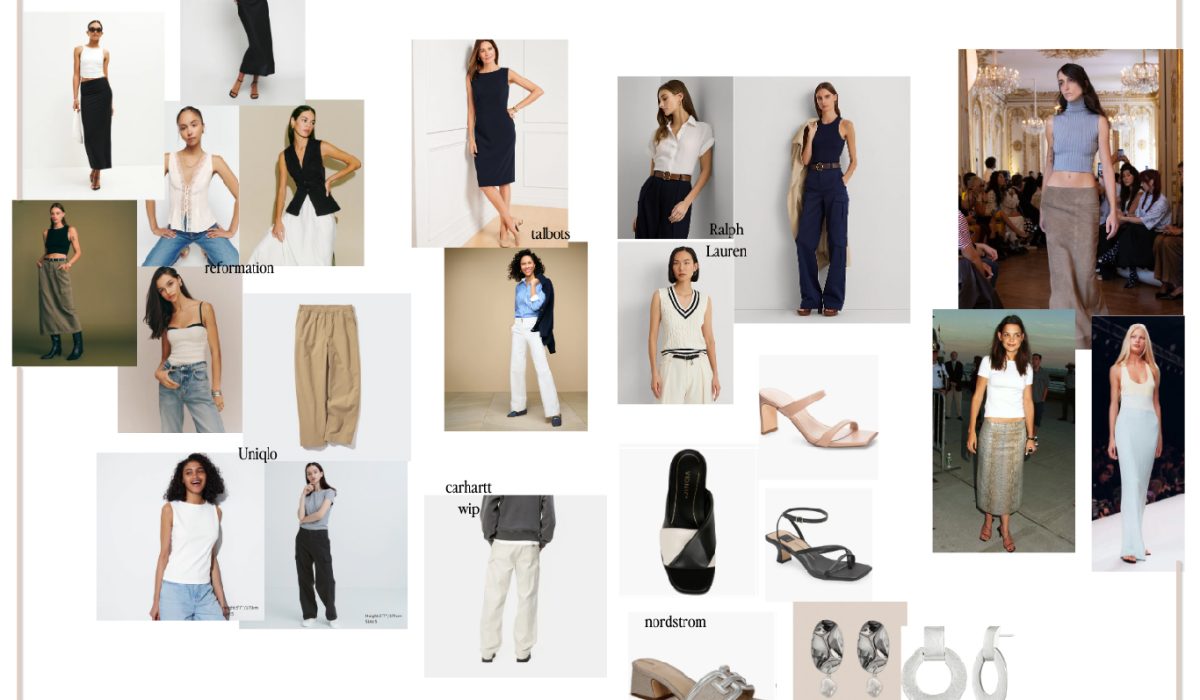
Getting ready for work should be one of the easiest parts of your morning. However, for many people, it can become surprisingly frustrating. You may stand in front of a closet full of clothes and still struggle to decide what to wear.
Maybe you have plenty of shirts but only a few that look professional. Perhaps you own several pairs of trousers, but they do not match your favorite tops. Sometimes, the problem is not that you need more clothes. You simply need a wardrobe that works better together.
That is exactly where a work capsule wardrobe can help.
A work capsule wardrobe is a carefully planned collection of clothing that makes it easier to get dressed for your job. Instead of buying lots of random pieces, you choose practical items that suit your workplace and can be mixed and matched in different ways.
The result is a simpler closet, more outfit options, and less stress every morning.
In this guide, you will learn how to build a work capsule wardrobe step by step, even if you are starting with a completely unorganized closet.
What Is a Work Capsule Wardrobe?
A work capsule wardrobe is a smaller collection of clothes designed specifically for your professional life.
The main idea is to choose clothing that is versatile. Most pieces should work with several other items in your wardrobe, allowing you to create different outfits without owning a huge number of clothes.
Your work wardrobe might include:
- Professional tops
- Shirts and blouses
- Trousers
- Skirts or dresses
- Blazers
- Cardigans or sweaters
- Comfortable work shoes
There is no magic number of items.
Some people may need only a few work outfits, while others may need a larger collection. It depends on how often you work, your workplace dress code, and your daily routine.
A person who works from home three days a week will probably need a different wardrobe from someone who works in a formal office every day.
The goal is not to own as little as possible. The goal is to own clothes that are useful.
Step 1: Understand What Your Workplace Expects
Before you start removing clothes or shopping for new ones, take a moment to think about your workplace.
Every workplace has a different idea of appropriate clothing.
Some offices are very formal. Others are relaxed and allow employees to wear jeans, sneakers, and casual shirts.
Look around and pay attention to what people normally wear.
Ask yourself:
- Is my workplace formal or casual?
- Do I regularly meet clients?
- Do I attend business meetings?
- Is business casual acceptable?
- Can I wear jeans?
- Are sneakers allowed?
These questions will help you avoid buying clothes you do not actually need.
For example, there is little reason to invest in several formal blazers if your workplace is very casual. In the same way, if you regularly meet clients, having a few polished outfits may be important.
Your work wardrobe should fit the environment where you spend your working day.
Step 2: Think About Your Actual Work Routine
Your daily routine plays a major role in deciding what belongs in your wardrobe.
Think about how often you work and what your days usually look like.
Do you sit at a desk all day? Do you move around frequently? Do you travel for work? Are some days more formal than others?
Consider questions such as:
- How many days a week do I work?
- How often do I go to the office?
- Do I work from home?
- Do I have important meetings?
- Do I travel for work?
- Do I need special outfits occasionally?
Understanding your routine can prevent unnecessary shopping.
For instance, if you only visit the office twice a week, you probably do not need fifteen different work shirts.
Build your wardrobe around what you genuinely need.
Step 3: Decide What Makes You Feel Comfortable and Confident
Professional clothing does not have to mean boring clothing.
Your work wardrobe should still feel like you.
Think about the outfits that make you feel confident and comfortable.
Maybe you prefer classic clothing with clean lines. Perhaps you enjoy modern, simple outfits. You may prefer trousers and blouses, or you might feel more comfortable in dresses.
Pay attention to what you naturally reach for.
Ask yourself:
- What colors do I enjoy wearing?
- Do I prefer relaxed or fitted clothes?
- What type of outfits make me feel confident?
- Which work clothes do I wear most often?
Your answers will help you create a wardrobe that you will actually use.
There is no point in buying clothes that look great on someone else if you never feel comfortable wearing them.
Step 4: Go Through Your Existing Work Clothes
Before buying anything new, check what you already own.
You may be surprised by how many useful pieces are already sitting in your closet.
Take out your work clothes and look at each item carefully.
Ask yourself:
- Does it still fit?
- Is it comfortable?
- Is it appropriate for work?
- Do I enjoy wearing it?
- Is it in good condition?
- Can I match it with other clothes?
Then divide your clothes into different categories.
Keep
Keep the pieces you wear regularly and feel good in.
Donate
Donate clothes that are still in good condition but no longer suit your style.
Sell
Consider selling high-quality or valuable pieces that you no longer use.
Store
Store seasonal items or special occasion clothing that you do not currently need.
Once you finish sorting, you will have a clearer picture of your wardrobe.
Step 5: Choose Colors That Make Mixing and Matching Easier
You do not need to wear the same colors every day, but choosing a simple color palette can make getting dressed much easier.
Start with a few base colors.
These could include:
- Black
- White
- Navy
- Gray
- Beige
- Brown
Choose the colors you genuinely like rather than following a specific rule.
Then add a few accent colors.
You might enjoy:
- Blue
- Green
- Burgundy
- Soft pink
The goal is to make sure your colors work well together.
For example, if most of your trousers are black and navy, choose tops and jackets that can easily be worn with both.
This gives you more outfit combinations without adding more clothes.
Step 6: Choose Your Essential Work Tops
Tops are often the most frequently worn part of a work wardrobe.
You do not need a large collection, but it is helpful to have several options that can be combined with your bottoms.
Depending on your workplace, you might include:
- A simple white shirt
- A neutral blouse
- A dark-colored top
- A long-sleeve shirt
- A comfortable knit top
Try to avoid buying several tops that are almost identical.
Instead, choose pieces that serve different purposes while still working with the rest of your wardrobe.
Comfort is important. If you dislike wearing a particular shirt, it will probably remain in your closet.
Step 7: Add a Few Versatile Bottoms
A good pair of trousers can be worn again and again in different ways.
For most work wardrobes, two or three versatile bottoms are a good starting point.
You might choose:
- Black trousers
- Navy trousers
- Gray or beige trousers
- Dark jeans, if appropriate
The best choice depends on your workplace.
Choose bottoms that are comfortable and easy to pair with different tops.
For example, one pair of black trousers may work with a white shirt, a blue blouse, a gray sweater, and a blazer.
That is exactly the type of versatility you want.
Step 8: Add Layers for Different Occasions
Layers can make your work wardrobe feel more flexible.
A simple outfit can look completely different when you add a blazer, cardigan, or sweater.
Consider adding:
- One well-fitting blazer
- A lightweight cardigan
- A neutral sweater
- A simple work jacket
A blazer can be useful for meetings or more professional occasions.
A cardigan may be perfect for everyday office wear.
Choose layers that match several items in your wardrobe.
You do not need many of them. One or two versatile options can create several different looks.
Step 9: Choose Shoes You Can Actually Wear All Day
It is easy to choose shoes based only on appearance, but comfort is especially important for work.
You may wear your work shoes for many hours, so choose options that suit your routine.
Depending on your workplace, you might need:
- Loafers
- Flats
- Low heels
- Dress shoes
- Boots
- Clean, professional sneakers
You do not need to own every option.
Think about what you actually do during the day.
If you walk a lot, comfortable shoes should be a priority. If you attend formal meetings, you may need a more polished pair.
Choose quality and comfort whenever possible.
Step 10: Make Sure Most Items Work Together
This is the heart of a successful work capsule wardrobe.
Each item should ideally work with several other pieces.
Before adding something new, ask yourself:
Can I wear this with at least three other items?
For example, imagine buying a new blazer.
Can you wear it with your trousers? Does it work with your shirts? Can you wear it over a dress?
If the answer is yes, it may be a useful addition.
If it only works with one specific outfit, think carefully before buying it.
Versatile clothes give you more value and make getting dressed much easier.
Step 11: Shop Slowly and Buy With Purpose
One of the best things you can do when building a capsule wardrobe is avoid rushing.
You do not need to replace your entire wardrobe immediately.
After organizing your clothes, make a simple list of what you are missing.
Perhaps you already have:
- Good trousers
- Several suitable tops
- Comfortable shoes
Maybe the only thing you need is a blazer or a cardigan.
Buying slowly can help you avoid impulse purchases.
Before buying something new, ask yourself whether it fills a real gap in your wardrobe.
If you already own three similar items, you may not need another one.
Step 12: Focus on Fit and Quality
A smaller wardrobe means that you may wear your favorite pieces more frequently.
For that reason, fit and quality are important.
You do not need expensive designer brands. However, it is worth checking whether an item is comfortable and made well enough for regular use.
Pay attention to:
- Fabric
- Stitching
- Comfort
- Fit
- Durability
A well-fitting pair of trousers that lasts for years can be more useful than several cheaper pairs that quickly lose their shape.
Buy the best quality you can reasonably afford, especially for items you plan to wear regularly.
Step 13: Create a Few Go-To Work Outfits
Once you have chosen your main pieces, spend some time creating different outfit combinations.
This can save you time on busy mornings.
For example:
Everyday Office Outfit
Simple top + Black trousers + Loafers
Business Casual Outfit
Blouse + Navy trousers + Cardigan
Important Meeting Outfit
White shirt + Trousers + Blazer
Relaxed Workday Outfit
Knit top + Dark jeans + Smart shoes
You can create many different looks simply by changing one piece.
If you find combinations you love, take photos and keep them as inspiration.
Step 14: Review and Update Your Wardrobe
Your work wardrobe does not need to remain exactly the same forever.
Your job may change. Your workplace dress code may change. Your personal style may also develop.
Every few months, review your wardrobe.
Ask yourself:
- Which items do I wear most?
- Which clothes do I rarely use?
- Is anything worn out?
- Do I need anything new?
You can also adjust your wardrobe for different seasons.
Warm weather may require lighter fabrics, while colder months may require sweaters and additional layers.
Regular reviews can help you keep your wardrobe useful and organized.
Final Thoughts
Building a work capsule wardrobe is not about following strict fashion rules or owning a specific number of clothes.
It is about making your professional wardrobe simpler and more practical.
Start by understanding your workplace and your daily routine. Look through the clothes you already own and keep the pieces that fit well and make you feel confident.
Choose a few versatile colors and focus on clothing that can be mixed and matched easily.
Most importantly, do not rush.
Build your wardrobe gradually and only add items that you genuinely need. Over time, you will create a collection of clothes that works well for your job and personal style.
A good work capsule wardrobe can make mornings easier, reduce unnecessary shopping, and help you feel confident every time you get dressed.
With the right pieces, you do not need a closet full of clothes to look professional. You simply need a wardrobe that works for you.