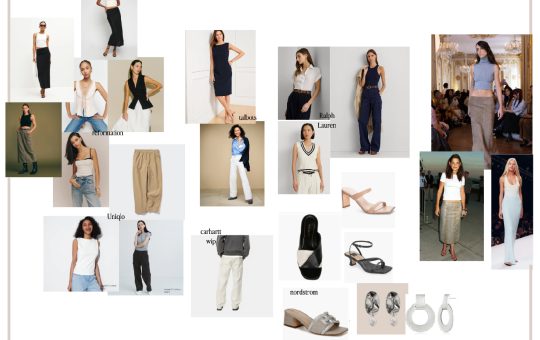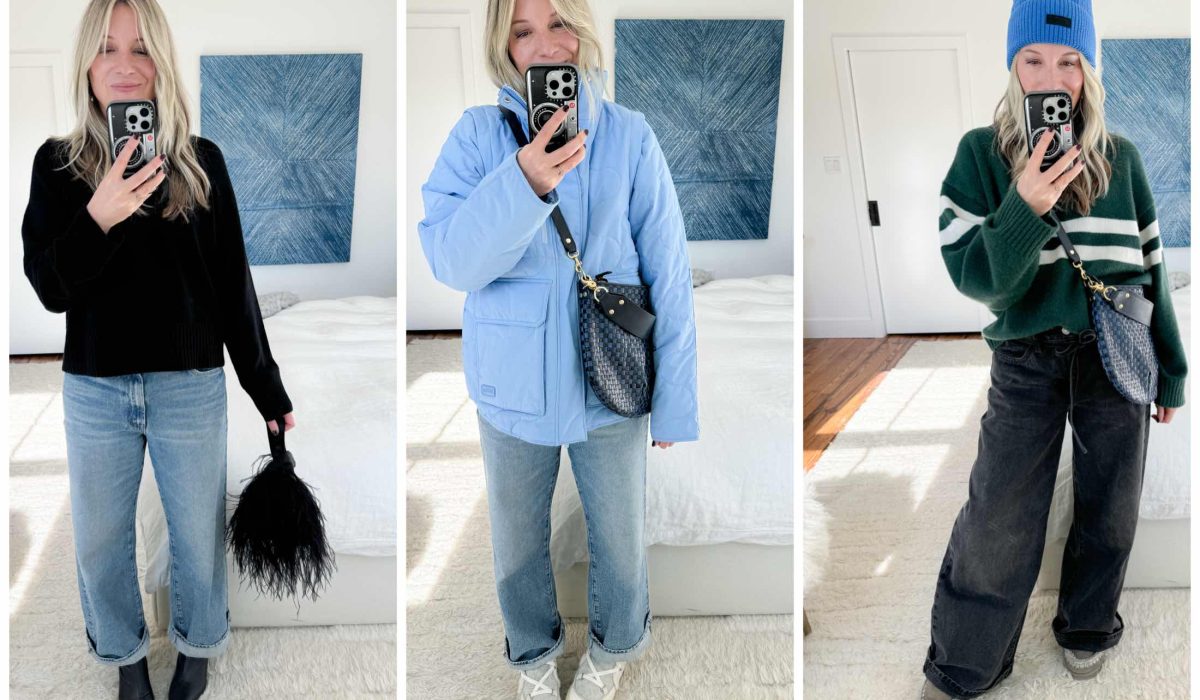
Winter dressing can sometimes feel overwhelming. Cold mornings, freezing temperatures, rain or snow, and the need for extra layers can make it difficult to decide what to wear. As a result, many people end up buying more sweaters, jackets, and winter clothes than they actually need.
But having more clothes does not always make getting dressed easier.
A winter capsule wardrobe offers a simpler approach. Instead of filling your closet with random seasonal pieces, you create a collection of practical clothing that works well together. Each item should be comfortable, useful, and easy to wear in different combinations.
The idea is not to own the smallest possible wardrobe. Instead, it is about owning clothes that fit your lifestyle and give you plenty of outfit options.
Whether you prefer casual outfits, classic clothing, or a minimalist style, you can create a winter capsule wardrobe that works for you.
This step-by-step guide will help you build a practical, comfortable, and versatile wardrobe for the winter season.
What Is a Winter Capsule Wardrobe?
A winter capsule wardrobe is a carefully selected collection of clothing designed for cold weather.
The clothes are chosen so that they can be mixed, matched, and layered easily. Instead of having many items that only work with one outfit, you focus on versatile pieces that can be worn repeatedly in different ways.
Your winter wardrobe may include:
- Long-sleeve basic tops
- Sweaters
- Turtlenecks
- Cardigans
- Jeans and trousers
- Warm outerwear
- Boots and everyday shoes
- Scarves, hats, and gloves
There is no exact number of items that every capsule wardrobe should have.
Your needs may be different depending on where you live, how cold the weather becomes, and what you do each day.
Someone living in a snowy climate may need several warm layers and waterproof boots. Someone living in a milder area may need only a few sweaters and a medium-weight coat.
The best capsule wardrobe is one that suits your real needs.
Step 1: Think About How You Spend Your Winter Days
Before choosing clothes, take a moment to think about your everyday routine.
Your wardrobe should be built around the life you actually live.
Ask yourself:
- Do I work from home or outside?
- Do I need professional clothing?
- How much time do I spend outdoors?
- Do I walk or use public transportation?
- Do I attend social events?
- What do I usually wear during the week?
Your answers can help you decide what clothing is necessary.
For example, if you work in an office, you may need trousers, shirts, sweaters, and a smart coat.
If you spend most of your time at home, comfortable sweaters and casual clothes may be more useful.
Try not to build a wardrobe based on an imaginary lifestyle. Focus on the clothes you will actually wear.
Step 2: Consider Your Local Winter Climate
Winter temperatures are not the same everywhere.
Some places experience mild winters, while others have freezing temperatures, snow, strong winds, and icy roads.
Think about the weather in your area before choosing your wardrobe.
Consider:
- Average temperatures
- Rain or snowfall
- Windy conditions
- How often you spend time outside
- Indoor heating
If your winter is mild, lightweight sweaters and a good jacket may be enough.
If you live somewhere very cold, you may need thermal layers, insulated outerwear, warm accessories, and waterproof shoes.
Always choose your winter clothing based on the conditions you experience.
Step 3: Decide What Kind of Style You Enjoy
A winter capsule wardrobe should be practical, but it should also feel personal.
Think about the clothes that make you feel comfortable and confident.
Perhaps you prefer:
- Casual and relaxed outfits
- Minimalist clothing
- Classic styles
- Smart casual looks
- Sporty outfits
- Elegant winter fashion
Look at the clothes you wore most often last winter.
Were you always reaching for oversized sweaters? Did you prefer jeans and boots? Maybe you enjoyed wearing long coats and simple neutral outfits.
Your favorite pieces can help you understand what your personal style looks like.
You do not need to follow every fashion trend. Choose clothes that feel natural for you.
Step 4: Check What You Already Have
Before buying anything new, look through your current winter clothing.
You may already own many useful pieces.
Go through your closet and ask:
- Does this still fit?
- Is it comfortable?
- Is it warm enough?
- Do I enjoy wearing it?
- Is it in good condition?
- Can I wear it with other clothes?
Then sort your clothing into categories.
Keep
Keep the pieces that fit well and that you wear regularly.
Donate
Donate clothing that is still usable but no longer suits your style.
Sell
Consider selling valuable items that you no longer use.
Repair
Some winter clothes can be repaired instead of replaced. A missing button or small tear does not always mean you need to throw something away.
Store
Put away clothing that is not useful during the winter season.
This process will give you a clearer picture of what you own and what you may actually need.
Step 5: Create a Simple Color Palette
Choosing a few colors that work well together can make your wardrobe much easier to manage.
Start with neutral colors that can be mixed and matched.
Popular options include:
- Black
- White
- Gray
- Navy
- Beige
- Brown
Next, choose a few colors that you personally enjoy.
For winter, you might like:
- Burgundy
- Forest green
- Deep blue
- Dark red
- Plum
You do not have to wear dark colors simply because it is winter.
The goal is to choose colors that work well with one another and make you feel good.
A simple color palette can help you create many outfits without owning too many clothes.
Step 6: Choose Warm Everyday Basics
Basic clothing forms the foundation of your winter wardrobe.
Long-sleeve tops are especially useful because they can be worn alone indoors or layered under warmer clothing.
You might include:
- A white long-sleeve top
- A black basic top
- A neutral-colored shirt
- A comfortable turtleneck
- A casual long-sleeve blouse
You do not need every item listed here.
Choose the pieces that match your lifestyle.
A few good basics can be more useful than a large collection of clothes you rarely wear.
Step 7: Add Thermal Layers When Needed
If you live in a cold climate, thermal clothing can make a big difference.
Thermal layers provide extra warmth without adding too much bulk.
You may want to include:
- Thermal tops
- Thermal leggings
- Warm base layers
These pieces can be worn underneath your regular clothes.
For example, a thermal top can fit underneath a sweater, while thermal leggings can be worn under trousers.
However, thermal clothing may not be necessary if your winters are mild.
Choose layers based on your personal comfort and climate.
Step 8: Select a Few Versatile Sweaters
Sweaters are usually a major part of a winter wardrobe.
They are warm, comfortable, and easy to style.
Instead of buying many sweaters, choose a few that work well with your existing clothes.
You might include:
- A neutral sweater
- A warm knit sweater
- A turtleneck sweater
- A lightweight sweater for layering
- One sweater in a favorite color
The best sweaters are the ones you can wear repeatedly.
Try to choose styles that work with different bottoms, including jeans and trousers.
A versatile sweater can create several outfits without requiring additional clothing.
Step 9: Add a Cardigan or Other Light Layers
Winter temperatures can feel different indoors and outdoors.
A cardigan can be useful when you need an extra layer without wearing a heavy coat.
You can wear it over:
- A T-shirt
- A long-sleeve top
- A blouse
- A lightweight sweater
One or two cardigans may be enough for most wardrobes.
Choose colors and styles that match your other clothing.
Layering pieces are useful because they give you more flexibility throughout the day.
Step 10: Choose Practical Bottoms
You do not need ten different pairs of pants for winter.
A few comfortable options can provide plenty of variety.
Consider including:
- Blue jeans
- Dark jeans
- Black trousers
- Neutral-colored pants
Choose bottoms that fit well and are comfortable enough for everyday wear.
If you live in a cold area, thicker materials may provide more warmth.
You can also wear thermal layers underneath when necessary.
Try to select bottoms that work with several tops and sweaters.
Step 11: Invest in Suitable Outerwear
Outerwear is one of the most important parts of a winter wardrobe.
Your coat or jacket should provide enough warmth for your local climate.
Depending on your needs, you might choose:
- A puffer jacket
- A wool coat
- A long winter coat
- An insulated jacket
- A waterproof outer layer
You do not need every type.
One good coat may be enough if your winter weather remains consistent.
However, you may need more than one option if the weather changes significantly.
Choose outerwear that you can comfortably wear with most of your outfits.
Step 12: Choose Shoes That Work for Winter
Winter shoes should be practical as well as stylish.
Think about the weather and your daily activities.
You may need:
- Comfortable sneakers
- Ankle boots
- Waterproof boots
- Warm winter boots
- Casual everyday shoes
If your area receives snow or frequent rain, waterproof footwear can be especially useful.
Comfort should always be a priority.
Choose shoes that you can walk in and wear for long periods.
A small collection of reliable shoes is usually more useful than many pairs that remain unused.
Step 13: Add Essential Winter Accessories
Small accessories can make a big difference during cold weather.
They can help keep you warm without requiring additional heavy clothing.
Consider adding:
- A warm scarf
- Gloves
- A winter hat
- Thick socks
You do not need a large collection of accessories.
A few practical options can be enough.
Accessories can also add variety to your outfits.
For example, wearing a different scarf can give the same coat a fresh look.
Step 14: Learn How to Layer Comfortably
Layering is one of the most important parts of winter dressing.
Wearing several layers can help you stay warm while giving you the flexibility to adjust your clothing.
A simple winter outfit might include:
Base layer + Long-sleeve top + Sweater + Coat
On very cold days, you may add thermal layers.
The key is not to wear as many clothes as possible.
Instead, choose layers that work comfortably together.
You should be able to move easily and remove a layer when you go indoors.
Step 15: Check Whether Everything Works Together
A good capsule wardrobe depends on versatility.
Before adding a new item, ask yourself:
Can I wear this with several things I already own?
For example, if you are considering a new sweater, check whether it works with:
- Your jeans
- Your trousers
- Your coat
- Your boots
- Your other layers
The more outfit combinations you can create, the more useful the item will be.
Not every piece needs to match everything.
However, having clothes that work well together makes getting dressed much easier.
Step 16: Do Not Buy Your Entire Wardrobe at Once
You do not need to go shopping and purchase everything immediately.
Start with the clothes you already own.
After organizing your closet, make a list of the things you genuinely need.
For example, you might already have:
- Several good sweaters
- Comfortable jeans
- Long-sleeve basics
Maybe your only missing item is a warm coat or a pair of waterproof boots.
Shopping slowly can help you avoid unnecessary purchases.
It also gives you time to understand which items are actually important.
Step 17: Create a Few Simple Winter Outfits
Once you have selected your main pieces, try combining them in different ways.
Creating a few favorite outfits can save time when you are getting ready.
For example:
Casual Everyday Outfit:
Long-sleeve top + Jeans + Sweater + Sneakers
Warm Winter Look:
Turtleneck + Trousers + Coat + Boots
Cozy Weekend Outfit:
Knit sweater + Jeans + Winter jacket + Boots
Smart Casual Outfit:
Blouse + Cardigan + Trousers + Wool coat
You can create different looks by changing one or two pieces.
Shoes, outerwear, and accessories can completely change the appearance of a simple outfit.
Step 18: Review Your Wardrobe Throughout Winter
Your needs may change as the season continues.
Early winter may be relatively mild, while the coldest months may require additional layers.
Pay attention to what you actually wear.
Ask yourself:
- Which items do I wear the most?
- Which clothes remain unused?
- Am I comfortable and warm enough?
- Is anything missing?
- Are any items worn out?
These answers can help you make better choices in the future.
A capsule wardrobe does not have to stay exactly the same.
You can adjust it as your lifestyle and needs change.
Final Thoughts
Building a winter capsule wardrobe does not mean giving up personal style or limiting yourself to a specific number of clothes.
It simply means choosing your clothing more intentionally.
Start by considering your lifestyle, winter weather, and personal preferences. Review your existing wardrobe before buying anything new and keep the pieces that fit well and serve a real purpose.
Focus on warm basics, comfortable sweaters, practical bottoms, suitable outerwear, and reliable shoes.
Choose clothes that can be layered and worn in different combinations.
There is no need to build the perfect wardrobe overnight.
Take your time, use what you already have, and only add new pieces when they fill a genuine gap.
Over time, you will discover which clothes you truly rely on during winter.
A well-planned winter capsule wardrobe can help you stay warm, reduce clutter, save time, and make getting dressed much simpler.
Most importantly, it should fit your life.
When your closet is filled with clothes that are comfortable, useful, and easy to wear, you can spend less time worrying about your outfit and more time enjoying the winter season.