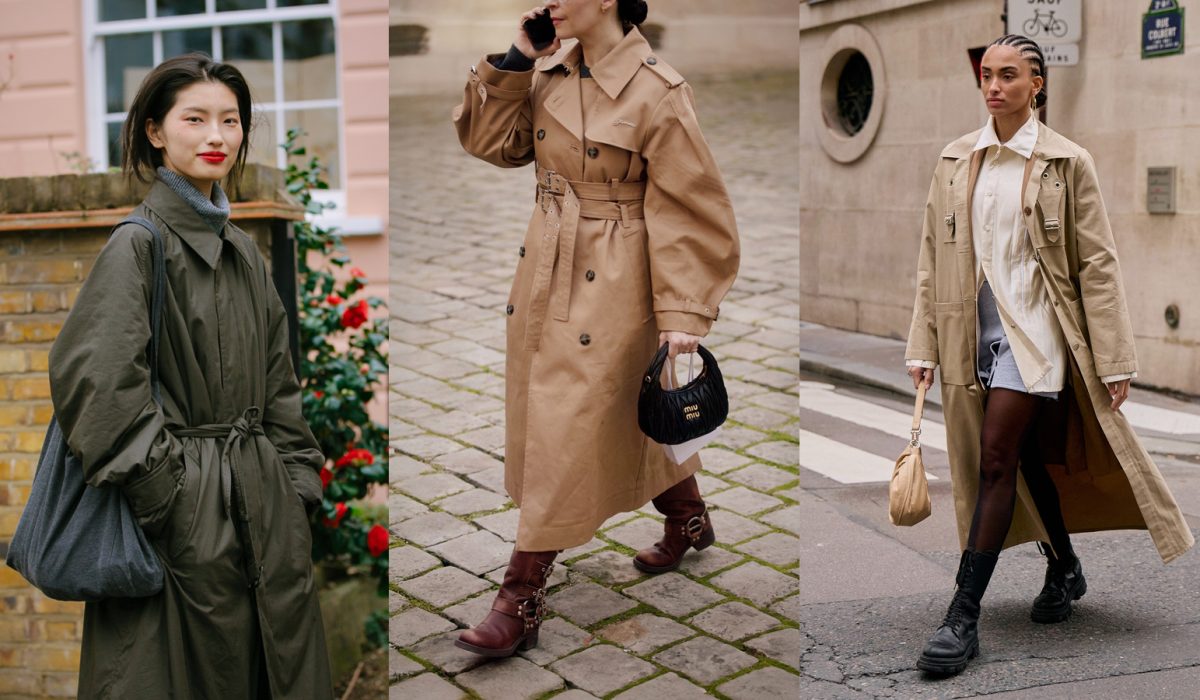
Finding a coat that fits a petite frame can sometimes feel like a bigger challenge than it should be. The shoulders may be too wide, the sleeves may cover your hands, or the hem may fall at an awkward place. Even when the coat itself is beautiful, the wrong proportions can make it look oversized.
The good news is that being petite doesn’t mean you have to limit yourself to short jackets or avoid certain coat styles. You simply need to pay a little more attention to fit and proportion.
The best coats for petite women are coats that feel comfortable, sit in the right places, and complement your natural proportions. A well-chosen coat can make an outfit look polished without making you feel buried under layers of fabric.
If you’re shopping for a new winter coat, trench, wool coat, or puffer, these practical tips can help you find a better fit.
What Makes a Coat Work for a Petite Frame?
A petite-friendly coat isn’t necessarily just a shorter coat.
The shoulders, sleeves, waist placement, pocket position, and overall shape all matter. If a regular coat is simply shortened at the bottom, other proportions may still feel too large.
For example, the sleeves could remain too long or the shoulders could extend beyond your natural frame.
That’s why it’s helpful to look at the coat as a whole rather than focusing only on its length.
1. Start With the Shoulders
When trying on a coat, check the shoulders first.
The shoulder seams should sit reasonably close to your natural shoulder. If they extend far beyond your shoulders, the coat may look oversized even if the rest of the fit is good.
At the same time, you need enough room to move.
Raise your arms, reach forward, and cross them in front of your body. If the coat pulls tightly across your upper back, try a different size or cut.
A good coat should feel structured without restricting you.
2. Try a Short Wool Coat
A short wool coat can be an excellent everyday choice.
A hip-length or upper-thigh coat gives you warmth while keeping the silhouette relatively light.
Look for clean tailoring and moderate structure rather than very wide shoulders or excessive fabric.
A short wool coat is also easy to style. You can wear it with jeans and sneakers during the day or trousers and boots when you want a more polished look.
Classic shades such as camel, black, navy, and gray are particularly versatile.
3. Consider a Cropped Puffer
Puffer coats can be warm and practical, but their volume can sometimes overwhelm a petite frame.
A cropped or hip-length puffer is often easier to balance.
Look for quilting that isn’t excessively bulky and a shape that gives you some definition.
A shorter puffer also pairs naturally with high-rise jeans or trousers, which can help create a balanced outfit.
If warmth is your priority, don’t sacrifice insulation just to get a slimmer appearance. Look for a well-designed coat that provides warmth without unnecessary bulk.
4. Try a Knee-Length Coat
A knee-length coat can offer a nice balance between coverage and proportion.
It is long enough to keep more of your body warm but doesn’t necessarily overwhelm the frame like an extremely long coat can.
This length works well with dresses, skirts, jeans, and tailored trousers.
Pay attention to exactly where the hem lands. A coat that finishes near the knee can look very different from one that ends several inches below it.
5. Don’t Be Afraid of Belted Coats
A belt can add structure to a longer coat.
Instead of allowing the fabric to hang straight from the shoulders, a belt creates a visible waistline.
Wrap coats, belted wool coats, and trench coats can all benefit from this detail.
The belt doesn’t need to be pulled tightly. A relaxed tie can be enough to give the coat some shape.
If the coat is already fitted, you may not need a belt at all.
6. Look at Single-Breasted Styles
Single-breasted coats generally have a simple front with one column of buttons.
That uncomplicated design can create a clean appearance without adding too much visual width.
For petite women, a coat with a relatively narrow lapel and well-placed buttons can look especially polished.
Choose enough room for a sweater underneath, but avoid sizing up dramatically just for layering.
7. Petite Trench Coats Are Worth Trying
A trench coat is a classic piece, but standard versions can sometimes have oversized proportions.
If possible, try a petite-specific trench.
Look at the sleeve length, shoulder width, belt position, and button placement—not just the overall length.
A trench that is slightly shorter but properly proportioned can look much more natural than a full-length regular trench that has simply been shortened.
For transitional weather, a well-fitting trench can be one of the most useful pieces in a petite wardrobe.
8. A-Line Coats Can Add Balance
A-line coats are narrower near the shoulders and gradually become wider toward the bottom.
This shape can work particularly well if you want a little more room around your hips or if you regularly wear skirts and dresses.
The gentle flare creates movement without requiring an oversized coat.
For a more understated look, choose a coat with a subtle A-line shape rather than an exaggerated flare.
9. Long Coats Can Look Great
One of the most common petite fashion myths is that short women should never wear long coats.
That’s not necessarily true.
A long coat can create a strong vertical line and look incredibly elegant. The key is avoiding too much width and unnecessary bulk.
A streamlined long coat with a clean front can actually make an outfit look more elongated.
If you choose a long coat, pay particular attention to the hem. It should look intentional rather than dragging heavily around your feet.
10. Check the Sleeve Length
Sleeve length is one of the easiest ways to tell whether a coat is proportioned correctly.
If the sleeves cover most of your hands, the coat may look too large.
Ideally, the sleeves should provide adequate coverage while still allowing your hands and wrists to move naturally.
Don’t reject a coat you love just because the sleeves are slightly long. Depending on the construction, a tailor may be able to make a simple adjustment.
11. Avoid Too Much Volume
Oversized coats are fashionable, but they can be tricky to balance on a smaller frame.
You don’t have to avoid oversized clothing completely.
Instead, consider choosing one oversized element.
For example, a relaxed coat can work well with slim or straight trousers. A voluminous coat paired with very wide trousers may create a much heavier silhouette.
If you love an oversized coat, keep the rest of the outfit relatively simple.
12. Think About Pocket Placement
Pockets aren’t just functional details.
Large pockets positioned very low on a coat can visually pull the eye downward. Large chest pockets can add more emphasis to the upper body.
This doesn’t mean you need to avoid pockets. Choose a placement that feels natural for your body and lifestyle.
If you carry your phone, keys, or wallet in your coat, practical pocket space may matter more than visual considerations.
13. Choose a Fabric That Falls Well
The fabric of a coat affects how it sits on the body.
A stiff, heavy material can create extra volume, while a softer fabric may drape more naturally.
Wool blends, structured cotton, quilted materials, and technical fabrics can all work well depending on the type of coat you’re buying.
Pay attention to how the material behaves when you move. A coat should have enough structure to maintain its shape without feeling rigid.
14. Think About Color and Styling
Color can make a coat easier to incorporate into your wardrobe.
Neutral shades such as black, navy, gray, camel, cream, and brown are simple to style and can work across multiple seasons.
A coat and bottoms in similar colors can create a continuous visual line.
But there’s no reason to avoid bold colors.
A bright red, emerald, burgundy, or patterned coat can become the focal point of an outfit. Good fit matters far more than choosing a particular color.
15. Match the Coat With Your Shoes
Think about what footwear you’ll actually wear with the coat.
Shorter coats are easy to pair with sneakers, loafers, and ankle boots.
Longer coats can look particularly polished with ankle boots or shoes that have a little height.
You don’t need high heels to make a coat work. The goal is simply to create a combination where the coat length and footwear feel balanced.
Common Coat-Buying Mistakes
One common mistake is choosing a coat based only on its length.
A short coat can still look oversized if the shoulders and sleeves are too large.
Another mistake is buying a coat several sizes too big because you want to wear thick sweaters underneath. Layering room is useful, but excessive fabric can make the entire outfit look bulky.
Don’t automatically avoid long coats, either. A clean, streamlined long coat can look fantastic on a petite frame.
And finally, remember that tailoring can be worth it. A small adjustment to the sleeves or hem may dramatically improve the fit.
Quick Shopping Checklist
Before buying a coat, ask yourself:
- Do the shoulders sit correctly?
- Can I move my arms comfortably?
- Are the sleeves the right length?
- Does the hem fall where I want it?
- Is there enough room for a sweater?
- Does the coat have unnecessary bulk?
- Is the waist in the right position?
- Are the pockets practical?
- Does it work with my everyday shoes?
- Can I imagine wearing it regularly?
If most of the answers are yes, you’ve probably found a coat worth keeping.
Final Thoughts
The best coats for petite women aren’t limited to one particular length or silhouette. Short wool coats, cropped puffers, knee-length styles, belted coats, trenches, A-line designs, and even long streamlined coats can all work beautifully.
The biggest difference comes from proportion.
Pay attention to the shoulders first, then check the sleeves, hem, waist placement, and overall volume. If a coat fits well through the shoulders and falls cleanly on the body, it will usually look much more polished.
Most importantly, don’t let petite fashion rules dictate everything you wear. If you love a long coat, wear it. If a cropped puffer feels more like your style, choose that instead.
The right coat isn’t the one that makes you look taller at all costs. It’s the one that fits comfortably, works with your wardrobe, keeps you warm, and makes you feel confident when you step outside.


