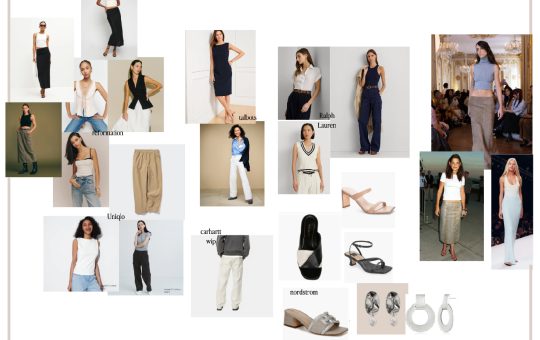
Getting dressed every morning should not feel like a difficult decision. Yet, when your closet is packed with clothes that do not coordinate, choosing an outfit can take more time than it should. A neutral capsule wardrobe can help solve this problem by giving you a smaller, more organized collection of clothing that works well together.
A neutral capsule wardrobe is built around simple colors and versatile pieces. Instead of constantly buying new clothes, you focus on creating different outfits from a carefully selected collection of essentials.
The best part is that you can create one without replacing your entire wardrobe. With a little organization and thoughtful shopping, you can gradually build a closet that is practical, stylish, and easy to manage.
Here is a simple step-by-step guide to help you get started.
Step 1: Think About Your Daily Life
Before choosing clothes, consider how you actually spend your time.
Your capsule wardrobe should be designed around your lifestyle rather than someone else’s idea of a perfect wardrobe.
Think about the clothing you need for work, weekends, errands, social occasions, travel, and relaxing at home. If you work in a casual environment, you may not need several formal outfits. On the other hand, someone who works in an office may need more shirts, trousers, blazers, or polished shoes.
Understanding your daily routine will help you avoid buying pieces that look attractive but rarely get worn.
Step 2: Go Through Your Current Wardrobe
You probably already own many pieces that can become part of your neutral capsule wardrobe.
Take everything out of your closet and look at each item individually. Separate your clothing into three categories: keep, reconsider, and remove.
Keep pieces that fit properly, feel comfortable, and are regularly worn. Set aside items that you are unsure about and remove anything that is damaged, uncomfortable, or no longer suits your lifestyle.
This process makes it easier to see what you actually have before you spend money on anything new.
Step 3: Pick Your Main Neutral Colors
Now choose the colors that will form the foundation of your wardrobe.
Popular neutral shades include black, white, cream, beige, gray, brown, camel, navy, and taupe.
You do not need every neutral color. Choose a small group that looks good together and matches your personal style.
For example, you could use:
Black + white + beige + brown
Or:
Navy + cream + gray + denim
A consistent color palette makes mixing and matching much simpler. You can also add a small amount of color later if you want your wardrobe to feel more personal.
Step 4: Build Around Basic Tops
Start with a few reliable tops that can be worn in different ways.
A basic collection could include a white T-shirt, black T-shirt, neutral long-sleeve top, classic button-down shirt, and one blouse or dressier top.
Do not worry about having a large selection.
Instead, focus on versatility. A simple white shirt can be worn with jeans for a casual outfit, tucked into trousers for work, or layered under a sweater during cooler weather.
Every piece should ideally work with several other items in your closet.
Step 5: Add Your Essential Bottoms
Once you have your tops, choose bottoms that coordinate with them.
A few useful options include:
- Classic blue jeans
- Black trousers
- Beige or gray trousers
- Casual pants
- A skirt, if you enjoy wearing skirts
You do not have to own every style.
Choose silhouettes that suit your body, lifestyle, and comfort preferences. If you spend most of your day moving around, practical and comfortable pants may be more useful than highly structured pieces.
The important thing is that your bottoms can be paired with most of your tops.
Step 6: Select Useful Layering Pieces
Layering allows you to get more use from your wardrobe throughout the year.
Depending on your climate, consider adding a cardigan, neutral sweater, blazer, denim jacket, trench coat, or another practical outer layer.
Try to choose pieces that can be worn with multiple outfits.
For instance, a beige cardigan can be paired with jeans and a T-shirt, trousers and a blouse, or even a simple dress.
For colder weather, several lightweight layers can sometimes be more practical than one extremely bulky piece.
Step 7: Choose Shoes Carefully
Shoes can easily take over your closet, so it is important to choose them intentionally.
Start with the pairs you actually wear most often.
A neutral capsule wardrobe might include comfortable sneakers, loafers or flats, and a pair of boots or sandals depending on the season.
You do not need all of these if they do not fit your lifestyle.
When choosing shoes, consider comfort, versatility, durability, and the activities you regularly do. A pair that looks good but hurts your feet is unlikely to become a true wardrobe essential.
Step 8: Add a Versatile Dress
If dresses are part of your personal style, include one simple option that can work for several occasions.
A black, navy, beige, or other neutral-colored dress can be surprisingly flexible.
For a casual look, wear it with sneakers and a simple jacket. For a more polished occasion, add a blazer, dressier shoes, and minimal accessories.
Choose a design that is comfortable and easy to style rather than something that only works for a single event.
Step 9: Include a Blazer or Smart Layer
A blazer is particularly useful for anyone who needs clothing that can move between casual and professional settings.
A neutral blazer can instantly make a basic outfit look more refined.
Try pairing it with jeans and a T-shirt for a relaxed smart-casual outfit. You can also wear it with matching or contrasting trousers and a button-down shirt for a more formal appearance.
If your lifestyle is completely casual, however, you do not need to include a blazer just because capsule wardrobe lists often recommend one.
Step 10: Keep Accessories Simple
Accessories are an easy way to add variety to a small wardrobe.
Rather than collecting dozens of pieces, choose a few that you can wear regularly.
Useful options include:
- A simple belt
- Sunglasses
- Minimal jewelry
- A classic handbag
- A scarf
- A simple watch
Accessories can also introduce subtle personality into a neutral wardrobe without making it difficult to coordinate your clothes.
Step 11: Create Multiple Outfits
Before deciding that your capsule wardrobe is complete, test your clothing.
Take your tops and pair them with your different bottoms. Add jackets, sweaters, shoes, and accessories to see how many combinations you can create.
For example, one pair of black trousers might work with a white T-shirt, cream sweater, button-down shirt, or blouse.
This is where the real value of a capsule wardrobe becomes clear: one item can contribute to many different outfits.
If a particular piece only works with one other item, reconsider whether you really need it.
Step 12: Prioritize Fit and Comfort
Neutral colors alone will not make a wardrobe successful.
Your clothing should also fit properly and feel comfortable.
When evaluating a piece, consider whether you can move easily in it, whether the fabric feels good, and whether you enjoy wearing it.
A simple T-shirt that fits perfectly and feels comfortable may become more valuable than an expensive statement piece that rarely leaves your closet.
Your capsule wardrobe should support your lifestyle, not make you uncomfortable.
Step 13: Shop Only for Genuine Gaps
After organizing your closet, you may notice that you are missing a few essentials.
Perhaps you need a good pair of neutral trousers, comfortable sneakers, or a versatile jacket.
Make a list before shopping and buy only what genuinely fills a gap.
Before purchasing anything, ask yourself:
“How many different outfits can I create with this?”
If the answer is several, the item is more likely to be a smart addition.
Step 14: Refresh Your Wardrobe With the Seasons
Your neutral capsule wardrobe can change slightly throughout the year.
During spring and summer, you may rely on lightweight shirts, dresses, skirts, and breathable fabrics.
For fall, add sweaters, cardigans, jackets, and ankle boots.
Winter may require heavier coats, warm knitwear, and suitable footwear.
You do not have to keep every seasonal item in your closet all year. Rotating clothing can save space and make your current wardrobe easier to manage.
Step 15: Review Your Wardrobe Regularly
A capsule wardrobe is not something you build once and never change.
Your lifestyle, preferences, and clothing needs can change over time.
Every few months, review your collection. Notice which items you wear frequently and which pieces remain untouched.
If something no longer fits your lifestyle, consider removing it. If you repeatedly struggle because you are missing a particular basic, consider adding one carefully chosen replacement.
How Many Pieces Should a Neutral Capsule Wardrobe Have?
There is no official number.
Some people prefer a very small wardrobe of around 20 pieces, while others feel more comfortable with 30 or 40 core items.
Your ideal number depends on your lifestyle, climate, work requirements, laundry routine, and personal preferences.
Instead of chasing a specific number, focus on creating a wardrobe where most pieces can be combined easily.
Final Thoughts
Building a neutral capsule wardrobe is less about owning a specific number of clothes and more about making thoughtful choices.
Start by understanding your lifestyle and organizing what you already own. Then choose a small color palette and build around versatile basics such as T-shirts, shirts, jeans, trousers, sweaters, jackets, shoes, and simple accessories.
Take your time when shopping and avoid buying pieces simply because they are fashionable. Choose clothing that fits well, feels comfortable, and works with items you already own.
A successful neutral capsule wardrobe should make your daily life easier. When your clothes coordinate naturally, you can spend less time deciding what to wear and more time feeling confident in the outfits you create.